From Labs to Factory Floors: China’s Humanoid Robotics Enters the Era of 100,000-Unit Mass Production
From Labs to Factory Floors: China’s Humanoid Robotics Enters the Era of 100,000-Unit Mass Production
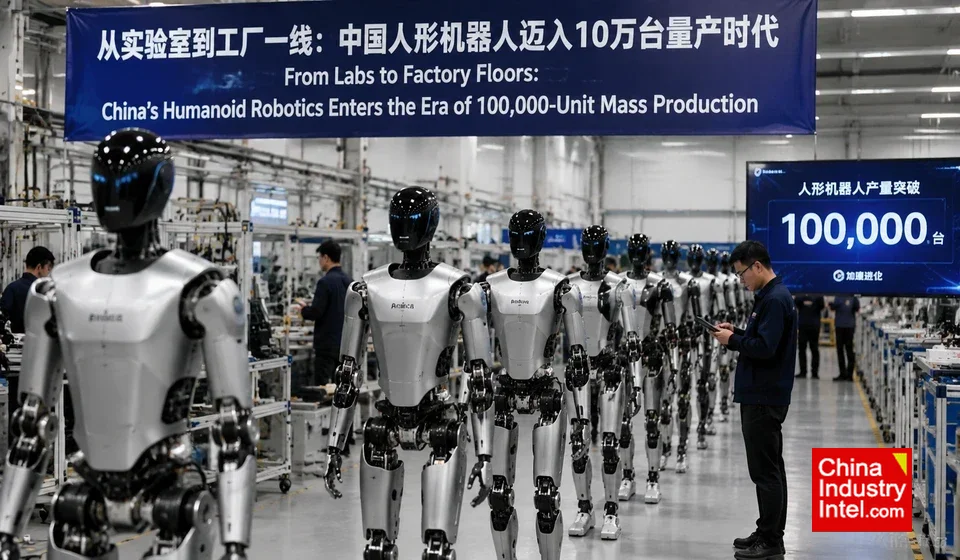
The year 2026 is being hailed as “Commercialization Year One” for humanoid robotics in China. After years of research and high-profile demos, the industry is shifting its focus from “can it walk?” to “can we build 100,000 of them?”
The Scale-Up Strategy
China’s humanoid robotics sector is moving toward a mass-production model, leveraging the country’s existing strength in precision manufacturing and electronics. The target of 100,000 units is intended to drive down the bill of materials (BOM) cost, making humanoid robots economically viable for industrial deployment.
Integration into Manufacturing
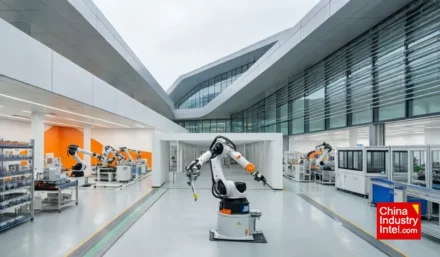
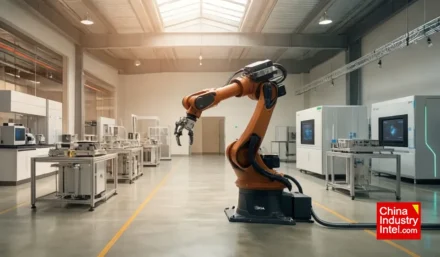
The first wave of mass-produced humanoids is not destined for homes, but for factory floors. Companies are deploying these robots in automotive assembly lines and electronics warehouses, where they can perform repetitive tasks that require human-like dexterity but are too dangerous or tedious for people.
The Synergy of AI and Hardware
The leap to mass production is enabled by the integration of embodied AI. Large Behavior Models (LBMs) are allowing robots to learn tasks through observation and simulation rather than rigid coding. This flexibility makes the humanoid form factor more practical for diverse industrial environments.
Conclusion
As China transitions from laboratory experiments to 100,000-unit production runs, it is creating a blueprint for the future of labor. The successful deployment of humanoid robots at scale will not only redefine manufacturing productivity but also cement China’s position as the global hub for the next industrial revolution: the era of autonomous embodied intelligence.