
Global CEOs Flock to China as 40% of Pharmaceutical R&D Supply Chain Relocates to Chinese Market
Davos Summer Forum 2026: China Emerges as Global R&D and Manufacturing Powerhouse
The 2026 Summer Davos Forum in Tianjin has witnessed unprecedented CEO-level engagement with China, marking what industry observers describe as a pivotal moment in global supply chain reconfiguration. Nicholas Leung, Chairman of McKinsey China, characterized the current period as witnessing the highest influx of global CEOs to China in recent years, reflecting the country’s sustained attractiveness as a strategic market for multinational corporations.
The forum highlighted China’s evolving role from primarily a manufacturing base to a critical node in global innovation ecosystems. This transformation is particularly evident in pharmaceutical research and development, where China now hosts approximately 40% of the global R&D supply chain. The scale and velocity of China’s R&D workforce significantly outpace other major markets, providing multinational pharmaceutical companies with competitive advantages in drug discovery and clinical trial execution.
Pharmaceutical R&D: China’s Accelerating Innovation Capabilities
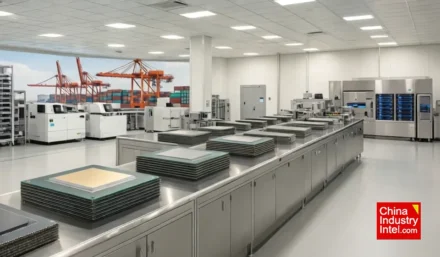
The concentration of pharmaceutical R&D activities in China reflects broader trends in the global biopharmaceutical industry. China’s 2015 regulatory reforms, which aligned clinical trial approval processes with international standards, catalyzed foreign investment in R&D infrastructure. The country now boasts over 5,000 biotech companies and a clinical trial environment that enables faster patient enrollment and shorter development timelines compared to Western markets.
Multinational pharmaceutical companies including Pfizer, Novartis, and AstraZeneca have significantly expanded their R&D operations in China. These investments span basic research, clinical development, and biomanufacturing capabilities. The integration of China into global pharmaceutical supply chains is particularly notable in areas such as active pharmaceutical ingredient (API) production, where China accounts for over 60% of global manufacturing capacity, and contract research organization (CRO) services, where Chinese firms command significant market share.
Robotics and Advanced Manufacturing: Supporting Global Reindustrialization
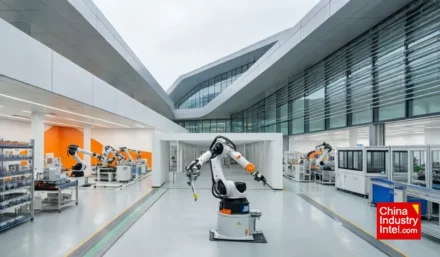
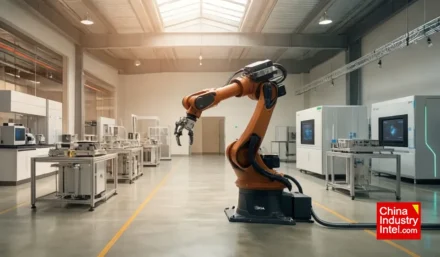
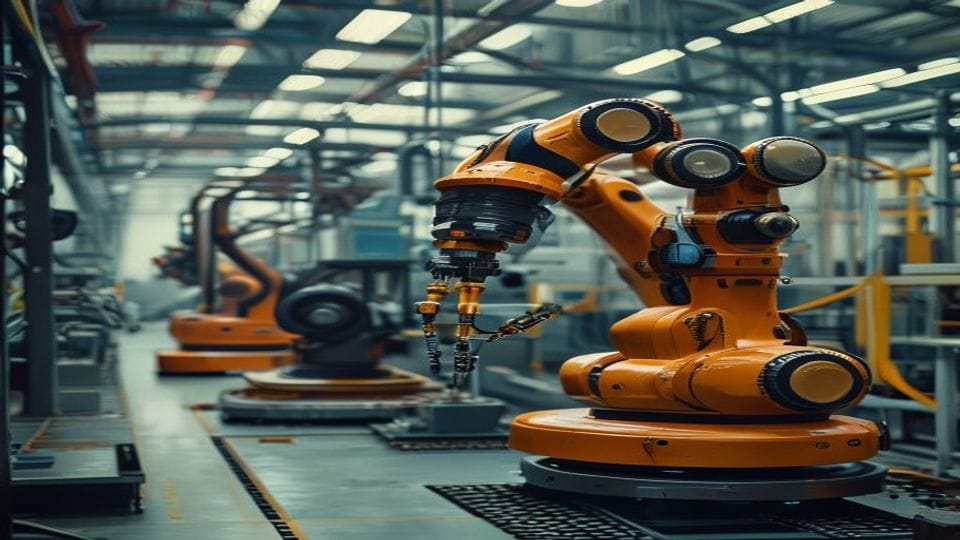
Beyond pharmaceuticals, Chinese industrial products, particularly robotics and automation systems, are playing increasingly critical roles in reindustrialization efforts across Europe and Latin America. Chinese robotic companies including Estun, EFORT, and SIASUN have established distribution networks and service capabilities in European markets, providing cost-competitive automation solutions for manufacturing resurgence initiatives.
The European Union’s “Green Deal Industrial Plan” and various national reindustrialization strategies have created demand for automation technologies. Chinese robotics companies, benefiting from domestic scale advantages and rapid iteration capabilities, are positioned to supply industrial robots, collaborative robots, and specialized automation equipment for applications ranging from automotive manufacturing to food processing. The competitive pricing and expanding technical capabilities of Chinese robotics have accelerated their adoption in price-sensitive markets seeking to upgrade manufacturing productivity.
Supply Chain Acceleration: China’s Unique Value Proposition
The fundamental insight emerging from Davos discussions centers on China’s ability to deliver acceleration value across manufacturing and R&D supply chain segments. This acceleration encompasses multiple dimensions: faster product development cycles, more efficient manufacturing processes, and more responsive supply chain networks. Chinese manufacturing ecosystems cluster related capabilities geographically, enabling vertical integration and reduced coordination costs.
Traditional manufacturing advantages—labor costs and infrastructure—have evolved into more sophisticated competitive factors centered on digital manufacturing capabilities, engineering talent density, and supply chain responsiveness. China’s investments in 5G infrastructure, industrial internet platforms, and smart factory demonstration projects have created a testing environment for manufacturing innovations that can subsequently be deployed globally. The scale of these investments enables rapid iteration and optimization of digital manufacturing technologies.
Strategic Implications for Multinational Corporations
For multinational corporations, the Davos discussions highlighted the strategic importance of integrating China into global value chains not merely as a production base but as a source of innovation acceleration. Companies establishing R&D centers in China gain access to engineering talent pools, proximity to rapidly evolving consumer markets, and integration into ecosystems of component suppliers and technology partners.
However, supply chain integration strategies must navigate increasing geopolitical complexity. Multinational corporations are adopting “China Plus One” approaches that maintain Chinese operations while developing alternative capacity in other regions. The objective is not to decouple from Chinese capabilities but to manage geopolitical risks while retaining access to acceleration benefits. This balanced approach recognizes China’s role as both a critical market and a source of manufacturing and innovation capabilities.
Outlook: China’s Evolving Role in Global Manufacturing
The 2026 Davos forum revealed consensus among business leaders that China’s role in global manufacturing and R&D will continue expanding despite geopolitical headwinds. The country’s ability to deliver acceleration value—faster development cycles, more efficient manufacturing, and responsive supply chains—creates durable competitive advantages that transcend short-term policy considerations.
Looking forward, China is expected to deepen its integration into global innovation networks while simultaneously pursuing technology self-sufficiency in strategic sectors. The dual emphasis on openness to international collaboration and domestic technology development creates a complex environment for multinational corporations. Companies that navigate this complexity effectively will be positioned to leverage China’s acceleration advantages while managing diversification requirements.