US-China Joint Research Breakthrough: Anti-Aging Technology Could Extend Human Lifespan Beyond 200 Years
US-China Research Collaboration Targets Human Longevity: Living to 200 Years Becomes Scientifically Plausible
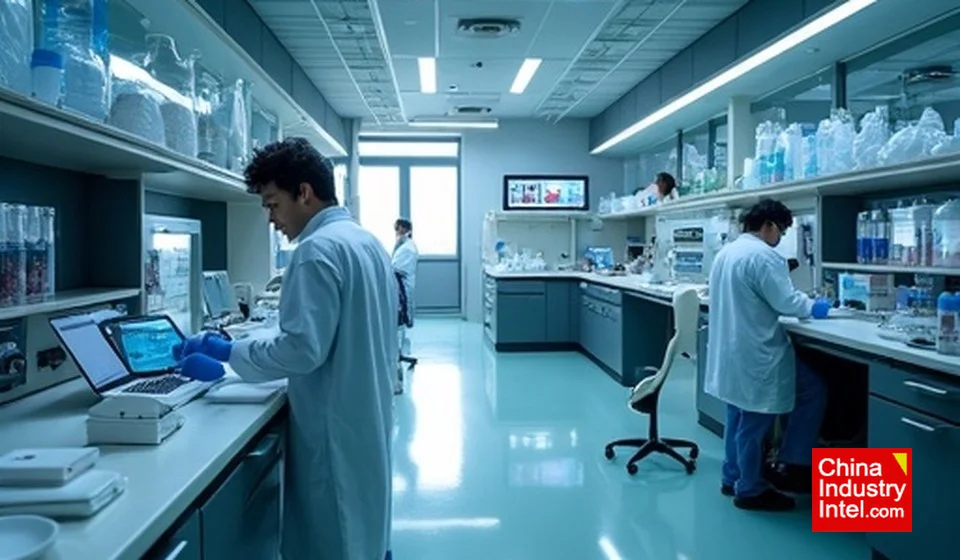
A groundbreaking US-China joint research initiative focused on anti-aging technology has sparked intense debate in the global biotechnology community about the potential for human lifespan extension beyond 200 years. The collaboration, involving Chinese biotechnology company Sinogene and US research institutions, leverages advances in cellular reprogramming and gene editing to address biological aging at its fundamental molecular levels.
The research represents a convergence of recent scientific breakthroughs in multiple aging-related fields, including telomere lengthening, senescent cell elimination, and mitochondrial function enhancement. While human lifespan extension to 200 years remains speculative, the scientific community acknowledges that multiple aging mechanisms are now theoretically addressable through targeted biotechnology interventions.
Scientific Foundations: Cellular Reprogramming and Biological Age Reversal
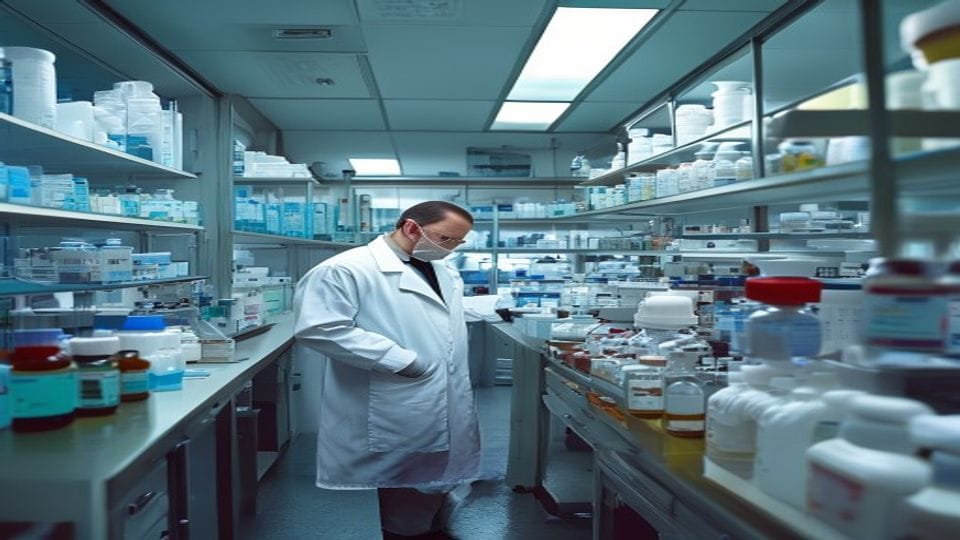
The core technology behind the US-China collaboration centers on partial cellular reprogramming, a technique that temporarily activates Yamanaka factors—four proteins (Oct4, Sox2, Klf4, and c-Myc) that can transform adult cells back into stem cells. Unlike full reprogramming, which completely resets cellular identity, partial reprogramming aims to restore epigenetic markers associated with younger cellular states without losing cellular function.
Research conducted by Sinclair Laboratory at Harvard Medical School and the Chinese Academy of Sciences has demonstrated that partial reprogramming can reverse biological age markers in mouse models, with treated animals showing improved tissue function, enhanced metabolic health, and extended lifespan. The US-China initiative aims to translate these preclinical findings into human-applicable therapies, potentially enabling biological age reduction by decades.
Technology Transfer and Regulatory Considerations

The US-China collaboration leverages complementary strengths in biotechnology research. Chinese research institutions excel in large-scale genomic analysis and cellular manufacturing capabilities, while US institutions contribute expertise in clinical trial design and regulatory frameworks. The collaboration structure enables parallel research tracks, with Chinese teams focusing on technology development and US teams leading clinical validation studies.
However, the collaboration operates within increasingly complex geopolitical and regulatory environments. US export controls on biotechnology equipment and potential restrictions on US-China scientific collaboration in sensitive areas may impact research timelines. Additionally, anti-aging therapies face particularly stringent regulatory pathways, as regulators require comprehensive demonstration of both safety and efficacy across extended treatment periods.
Commercialization Pathways and Market Implications
The anti-aging and longevity sector has attracted substantial venture capital investment, with market research projecting the global anti-aging market to reach $600 billion by 2030. However, commercialization pathways remain complex, as traditional regulatory frameworks were not designed for therapies targeting aging as a condition rather than specific diseases.
Sinogene and its US partners are pursuing multiple commercialization strategies. Near-term approaches focus on therapies targeting specific age-related conditions, including neurodegenerative diseases, cardiovascular conditions, and metabolic disorders. These therapies leverage anti-aging technologies to treat disease manifestations while simultaneously addressing underlying biological aging processes. Long-term strategies involve developing comprehensive anti-aging therapies that could enable human lifespan extension beyond current natural limits.
Ethical and Societal Implications
The prospect of human lifespan extension to 200 years raises profound ethical and societal questions. Healthcare systems designed around current life expectancies would face dramatic cost increases if people routinely lived to 200 years. Retirement planning, pension systems, and intergenerational wealth transfer mechanisms would require fundamental reconfiguration. Additionally, if life-extension technologies were accessible only to wealthy individuals, social inequality could intensify dramatically.
The scientific community emphasizes that anti-aging research should focus on extending “healthspan”—the period of life spent in good health—rather than merely extending chronological lifespan. The US-China collaboration explicitly targets healthspan extension, aiming to enable people to remain physically and cognitively functional into advanced ages rather than prolonging periods of decline and dependency.
Competitive Landscape and Future Outlook
The US-China initiative operates within a competitive global landscape for anti-aging research. Other significant efforts include Altos Labs (backed by Jeff Bezos and Bill Gates), Calico (Google’s anti-aging subsidiary), and BioAge Labs (supported by Andreessen Horowitz). Each initiative pursues different technological approaches and strategic objectives, creating a dynamic research ecosystem that accelerates overall scientific progress.
Looking forward, the next 5-10 years will be critical for anti-aging technology development. Human clinical trials for partial recombination therapies are expected to begin within the next three years, providing initial safety and efficacy data. The trajectory of these trials will determine whether biological age reduction becomes clinically viable and whether the prospect of living to 200 years transitions from science fiction to realistic future possibility.