
SK Hynix Reports Record Revenue on AI Memory Demand
SK Hynix Reports Record Revenue on AI Memory Demand
SK Hynix, the world’s second-largest memory chipmaker, reported record quarterly revenue on Saturday, driven by surging demand for high-bandwidth memory (HBM) chips used in artificial intelligence systems.
The South Korean semiconductor giant posted revenue of 17.6 trillion won ($12.8 billion) for the April-June quarter, a 74% jump from a year earlier. Operating profit reached 6.5 trillion won, marking the company’s strongest performance in over a decade.
HBM Chips Power AI Infrastructure Buildout
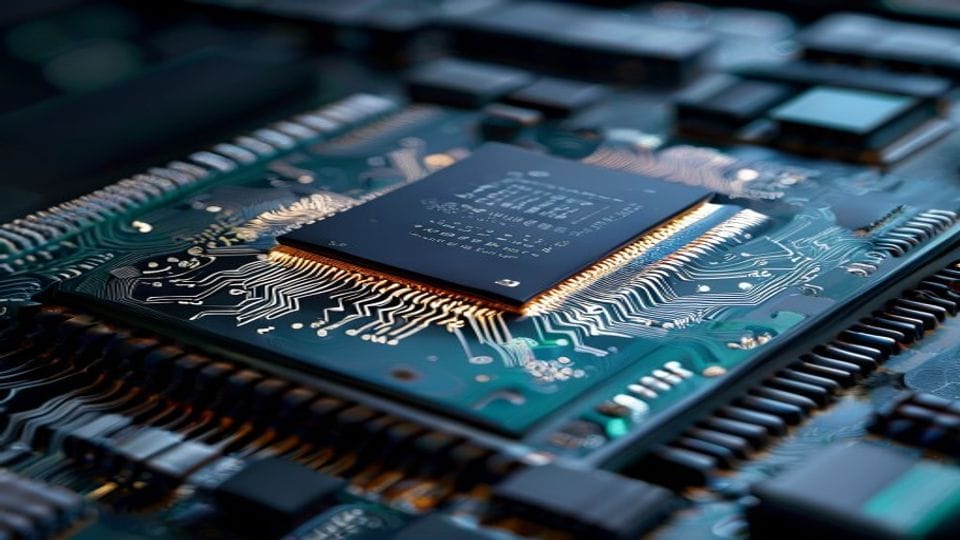
The company’s HBM3E chips, which are critical components in NVIDIA’s latest GPU architectures, have seen explosive demand as global tech giants race to build AI data centers. SK Hynix currently commands over 50% of the global HBM market, putting it at the center of the AI infrastructure boom.
“The AI memory market is still in its early stages of growth,” said SK Hynix CEO Kwak Noh-jung during the earnings call. “We expect HBM demand to continue outpacing supply through 2027 as hyperscalers expand their AI computing capabilities.”
Capacity Expansion Plans Underway
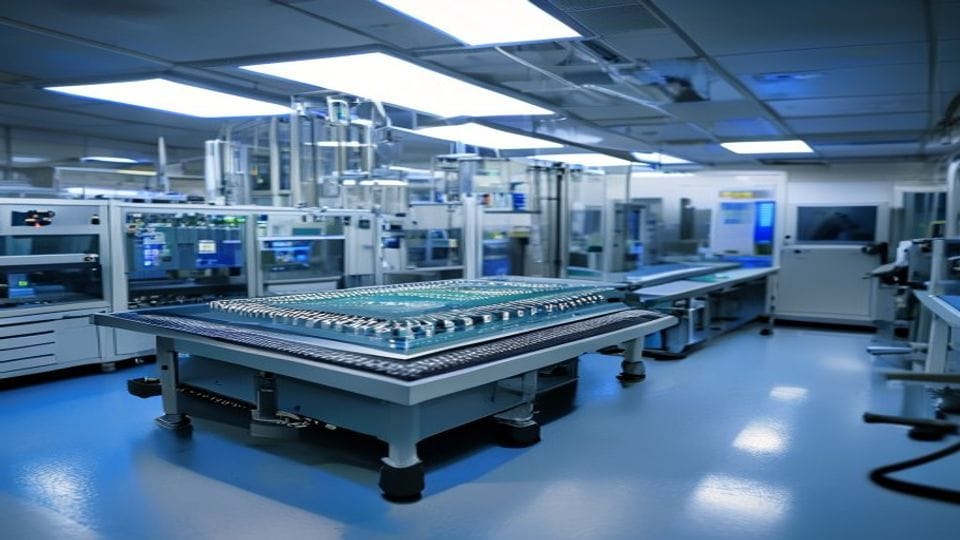
To meet the unprecedented demand, SK Hynix announced plans to invest an additional 5.3 trillion won in expanding its HBM production facilities at its M15X fab in Cheongju. The expansion is expected to increase the company’s HBM capacity by 40% by mid-2027.
The investment comes amid broader industry trends of semiconductor companies ramping up capacity for AI-related chips. Samsung Electronics and Micron Technology have also announced significant HBM capacity investments in recent months.
Supply Chain and Competitive Dynamics
Despite the optimistic outlook, SK Hynix faces challenges in maintaining its market leadership. Samsung has been aggressively pursuing HBM3E qualification with NVIDIA, while Micron is expanding its HBM production in the United States to capitalize on government incentives under the CHIPS Act.
Industry analysts note that while SK Hynix currently holds a technological edge in HBM, the competitive landscape could shift rapidly as rivals close the gap. The company’s ability to secure next-generation HBM4 contracts with major AI chip designers will be crucial for sustaining its market position.