How Shein and Temu’s Cross-Border E-Commerce Model Faces Existential Pressure from US De Minimis Policy Shifts and Sk…
The golden era of ultra-fast, ultra-cheap fashion from Chinese e-commerce giants may be hitting a wall. For years, platforms like Shein and Temu have built empires on a model of direct shipping millions of small packages to consumers worldwide, particularly in the United States, largely escaping tariffs and complex customs procedures. This model is now under a severe double squeeze: the anticipated end of the duty-free “de minimis” exemption in the U.S. and a concurrent, dramatic surge in international jet fuel costs. These converging pressures threaten to fundamentally alter the economics of cross-border e-commerce, forcing a strategic reckoning with prices, shipping times, and business models that have defined the sector’s meteoric rise.
The End of De Minimis: A Tariff Tsunami for Shein and Temu’s Core Model
The single most significant regulatory headwind is the potential closure of the U.S. de minimis loophole, which currently allows shipments valued under $800 to enter the country duty-free and with minimal customs scrutiny. A recent congressional report highlighted that nearly three million such shipments enter the U.S. daily, with Chinese e-commerce platforms accounting for a massive share. The proposed legislation aims to close this loophole for non-market economies like China, citing concerns over unfair trade practices, intellectual property violations, and the import of unsafe goods. For Shein and Temu, whose entire logistical and pricing structure is predicated on this exemption, its elimination would be catastrophic. The cost of paying tariffs and navigating formal customs clearance for each small parcel would obliterate their price advantage.
“The de minimis provision has been the silent subsidy enabling the rise of ultra-fast fashion and bargain shopping apps. Its removal would act as a immediate and substantial tax on every transaction.”
Direct Cost Implications for Consumers and Platforms
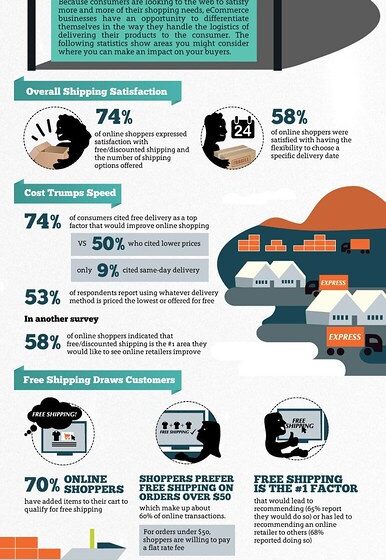
The impact would be felt most acutely by the American consumer, who would likely face immediate price hikes. Platforms would be forced to either absorb the tariffs—eroding their razor-thin margins—or pass the costs on, potentially dampening demand for their core value proposition of extreme affordability. Furthermore, the operational burden would be immense. Instead of a streamlined, parcel-by-parcel entry, shipments might need to be consolidated, inspected, and cleared en masse, dramatically increasing lead times. This would undermine another key selling point: the relatively fast (though not Amazon-Prime-fast) delivery that platforms like Temu have heavily promoted through subsidies. The logistical shift from direct-to-consumer small packets to consolidated bulk shipping would require a complete overhaul of their supply chain infrastructure.
Skyrocketing Jet Fuel Costs: The Aviation Burden on a Digital Logistics Model
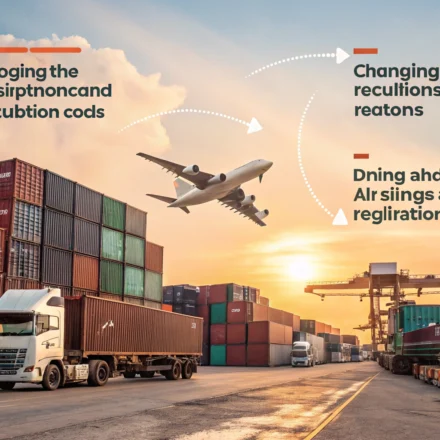
Compounding the regulatory threat is a stark reality in global logistics: jet fuel prices have surged. This increase directly impacts the air cargo capacity that Shein and Temu heavily rely on to maintain their speed-to-market. While ocean freight is an option for slower-moving inventory, the core of their model—producing small batches based on real-time trends and shipping directly to individual consumers—necessitates air transport. Airlines and cargo carriers are passing on these increased fuel costs through steep fuel surcharges, which are squeezing the margins of every player in the cross-border e-commerce ecosystem. For platforms operating on a high-volume, low-margin model, this added cost per package is a severe financial strain.
The Logistical Domino Effect on Speed and Cost
The dual pressure creates a vicious cycle. Rising fuel costs make air shipping more expensive, pushing platforms to consider slower, cheaper sea freight for some items. However, the end of de minimis might make sea freight more complicated and expensive in its own right due to bulk customs processing. Consumers, conditioned to expect both low prices and relatively quick delivery, may find the compromise unacceptable. The industry is already seeing a recalibration, with reports of Shein investing in U.S.-based warehousing to pre-ship popular items, a move that requires significant capital and blurs the line between a pure-play cross-border model and a more traditional e-commerce inventory model. This shift towards localized fulfillment is a direct response to these dual pressures, but it challenges the asset-light agility that defined their initial success.
- De Minimis Risk: The U.S. proposal targets shipments from non-market economies, directly threatening the tariff-free entry of millions of low-value parcels from China.
- Fuel Cost Surge: Jet fuel prices have increased significantly, imposing direct fuel surcharges on the air cargo essential for fast-fashion logistics.
- Model Invalidation: The combined effect challenges the viability of the direct-from-China, duty-free, small-parcel model that built the sector.
- Strategic Pivot: Companies are being forced to consider investments in overseas warehousing and localized inventory, altering their operational DNA.
Industry-Wide Implications and the Search for a New Equilibrium
This double squeeze is not just a problem for two companies; it signals a potential paradigm shift for the entire cross-border e-commerce industry. The low-cost, low-friction era facilitated by regulatory gaps and cheap logistics may be ending. Competitors like Amazon and traditional fast-fashion retailers with established U.S. infrastructure could gain a relative advantage. The pressure is also likely to accelerate industry consolidation, as only the largest players with the capital to invest in alternative logistics solutions—like large-scale U.S. distribution centers or even air freight contracts—may survive the transition. Furthermore, this could catalyze a broader regulatory conversation in other key markets like the European Union, which is watching the U.S. debate closely and has its own concerns about de minimis imports.
Adaptation Strategies in a High-Cost Environment
Looking ahead, Shein, Temu, and their peers will need multifaceted strategies. This may include more aggressive investment in supply chain digitization to optimize routes and inventory, a shift towards higher-margin product categories to absorb costs, and potentially, a move toward more regional manufacturing hubs outside of China to skirt some regulatory risks. The consumer experience will also change, with potential increases in free-shipping thresholds and longer delivery windows. The era of impulse-buying a $5 dress with free shipping from the other side of the planet may become a relic of a more permissive logistical and regulatory past.
In conclusion, the convergence of the de minimis policy shift and surging jet fuel costs presents an existential challenge to the business model pioneered by Shein and Temu. This is more than a temporary squeeze; it is a structural forcing function that will demand innovation, capital, and a potential reinvention of their core value proposition. The companies that can nimbly navigate this double threat by reinvesting in resilient, localized logistics and value-added offerings will define the next chapter of global e-commerce. For the millions of consumers and countless competitors, the ripple effects of this moment will reshape the landscape of accessible, global retail for years to come.