How the End of De Minimis and Surging Jet Fuel Costs Are Reshaping Shein and Temu’s Logistics Strategy
The meteoric rise of ultra-fast-fashion giants Shein and Temu has been one of the most disruptive stories in global retail, built on a model of ultra-low prices and direct shipping from Chinese suppliers to consumers worldwide. However, the foundational logistics underpinning this model are now facing a formidable double squeeze. The impending closure of the U.S. “de minimis” duty-free loophole for packages from China, coupled with a sustained surge in global jet fuel prices, is creating a perfect storm that threatens to erode their competitive advantage. This confluence of regulatory and cost pressures is forcing a fundamental reassessment of their cross-border e-commerce logistics, with potentially profound implications for pricing, delivery times, and their entire operational playbook.
The Regulatory Headwind: End of the De Minimis Exemption
The most significant challenge originates from a policy shift. The U.S. Trade Representative’s announcement to end the de minimis exemption—allowing shipments valued under $800 to enter duty-free—for packages originating from China marks a tectonic change. For companies like Shein and Temu, which have masterfully exploited this rule to ship millions of individual parcels directly to American consumers without tariffs, the impact is immediate and severe. The exemption was the bedrock of their low-cost, direct-to-consumer logistics model, enabling them to bypass complex and expensive customs processes for each order. Its elimination introduces new layers of cost and administrative complexity.
The logistical fallout is multifaceted. Each shipment will now require formal customs entry, triggering the need for more detailed product descriptions, harmonized system (HS) codes, and customs bond management. This translates directly into higher operational overhead and potential delays at ports of entry. Furthermore, the imposition of tariffs will force these platforms to make a difficult choice: absorb the cost, which crushes their razor-thin margins, or pass it on to consumers, which risks undermining their core value proposition of unbeatable low prices. The shift may also necessitate a move away from the small-parcel model toward consolidated freight shipments, which would require entirely different logistics and fulfillment infrastructure.
From Direct Shipping to Warehousing: A Logistics Paradigm Shift
To mitigate the impact of tariffs and streamline customs clearance, analysts and industry experts anticipate a accelerated pivot towards establishing large-scale warehousing and fulfillment centers within the United States. This nearshoring strategy involves importing goods in bulk, clearing customs once, and then storing inventory domestically for faster, tariff-managed distribution. While this reduces per-unit shipping costs and shortens final delivery times, it represents a colossal capital investment and fundamentally alters their inventory risk. It shifts them from an asset-light, demand-agile model to one carrying significant overhead and inventory exposure, challenging the very agility that fueled their growth.
“The end of de minimis isn’t just a cost issue; it’s an operational reset. It forces a transition from a direct-drop model to a traditional import-and-warehouse model, which is a completely different business with higher fixed costs,” noted a logistics consultant specializing in cross-border e-commerce.
The Operational Cost Crisis: Jet Fuel and Shipping Rates
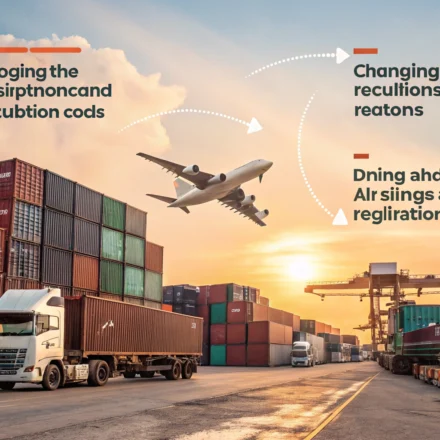
Simultaneously, the global logistics sector is contending with soaring operational costs, primarily driven by jet fuel. As a key expense for air cargo—which is critical for Shein and Temu’s promise of relatively swift global delivery—fuel prices have surged due to geopolitical tensions and production cuts. This increase is not a temporary blip but a sustained pressure point. Air freight rates, while down from pandemic peaks, remain volatile and significantly higher than pre-2020 levels. For business models dependent on high volumes of low-value shipments, even a minor per-kilogram increase in air freight costs can have a dramatic effect on overall profitability.
This dual cost pressure creates a vicious cycle. Higher logistics costs make the duty-free de minimis channel even more critical to maintain margins. Yet, that very channel is being eliminated. The combined effect is a severe profit margin squeeze that forces strategic trade-offs. Companies must now optimize every link in the supply chain, scrutinizing packaging density, consolidating shipments, and negotiating bulk freight contracts. The days of seemingly endless, cost-effective individual air-parcel shipping are numbered, pushing the industry toward slower sea freight for non-urgent inventory replenishment, further challenging consumer delivery expectations.
The Strategic Response: Diversification and Optimization
In response to this double squeeze, Shein, Temu, and their peers are being compelled to diversify their logistics networks and optimize operations. Key strategies include:
- Air-Sea Hybrid Models: Increasing the use of slower, cheaper sea freight for bulk inventory restocking while reserving costly air freight for new product launches or high-demand items.
- Regional Hub Development: Accelerating the establishment of regional distribution hubs in key markets like the U.S. and Europe to consolidate shipments and streamline last-mile delivery.
- Supplier and Carrier Diversification: Reducing dependency on single logistics corridors and carriers to mitigate risks from localized disruptions or fuel price spikes.
- Technology Investment: Enhancing predictive analytics and AI for demand forecasting to better align inventory procurement with actual sales, reducing wasteful shipping of unsold stock.
These adaptations are not merely tactical adjustments but signal a potential maturation of the ultra-fast-fashion logistics model. The sector is being forced to grow up, moving from a disruptive startup phase focused on speed at all costs to a more sustainable, albeit more complex, integrated retail logistics approach. The transition will be capital-intensive and may slow the breakneck expansion speed that defined their initial rise.
Conclusion: Navigating a New Era of Cross-Border E-Commerce
The double squeeze from the end of de minimis and soaring fuel costs represents a watershed moment for Chinese cross-border e-commerce giants. The combined impact is more than additive; it is transformative, challenging the core economic logic of their business model. The coming years will likely see a reshaping of the competitive landscape, where only the most agile and well-capitalized players can successfully navigate the transition to a more regulated and costly logistics environment. Their ability to innovate within these new constraints—whether through advanced supply chain financing, deeper integration with local logistics partners, or sustainable sourcing—will determine who retains a dominant market position. The era of frictionless, duty-free direct shipping is ending, and with it, a chapter in global retail history. The next chapter will be written in the warehouses and customs offices of the world, where efficiency and compliance, not just speed and price, will dictate success.