How to Select the Best Chinese Manufacturers for Reliable Quality and Scalable Production
In the relentless pursuit of global growth, the decision to source products from China remains a powerful strategic lever for businesses of all sizes. However, navigating the vast and complex manufacturing landscape of the world’s factory floor is not a task for the faint-hearted. The sheer volume of options, coupled with the potential for quality inconsistencies and supply chain disruptions, can make the process feel overwhelming. Success hinges not on simply finding a supplier, but on identifying a true manufacturing partner—a distinction that requires a methodical approach, rigorous verification, and a clear understanding of the value China’s mature industrial ecosystem now offers. The journey from a vague product idea to a reliable, scalable production line begins with a deliberate process of discovery and due diligence, a process that separates fleeting transactions from enduring business relationships.
Mastering Due Diligence: The Non-Negotiable Steps to Vetting Chinese Suppliers
The foundational principle of sourcing from China is that the initial list of potential suppliers is merely the starting point; the real work begins with a layered verification process. Relying solely on digital storefronts or trade show presentations is insufficient. A robust vetting strategy is essential to mitigate risks such as poor product quality, shipping delays, or outright scams, which can quickly tarnish a company’s reputation and bottom line. As highlighted in recent sourcing guides, “without proper due diligence, businesses risk issues that can cripple operations.” The goal is to build a case for trust, step by step, until you are confident in a manufacturer’s capabilities and integrity.
Digital Discovery and Verification Protocols
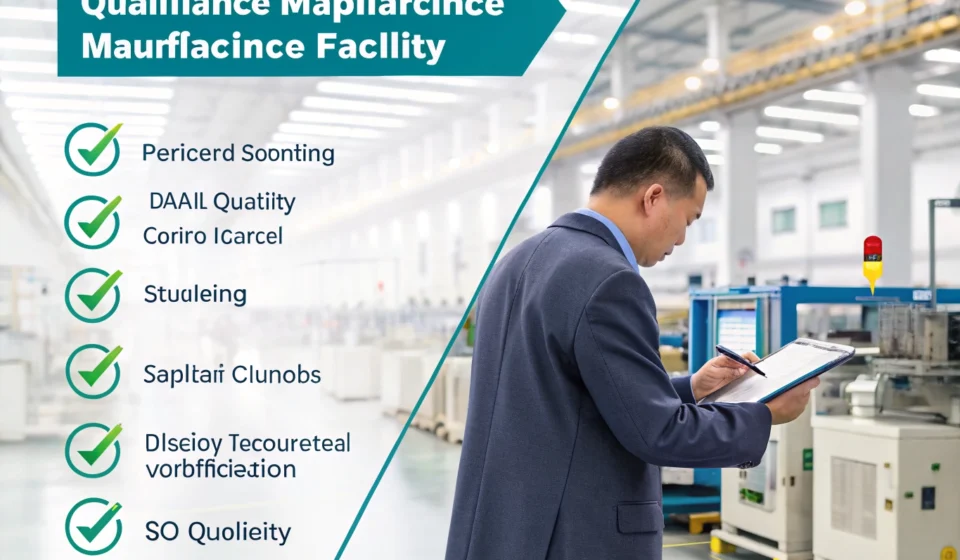
Platforms like Alibaba and Global Sources are invaluable for initial discovery, but they must be used strategically. Buyers should prioritize **verified suppliers** and those with a “Gold Plus” or similar tier status, which indicates a history of performance. However, this digital badge is only the first checkpoint. The next critical steps involve requesting and scrutinizing business licenses, product certifications (like ISO, CE, or UL), and references from existing international clients. Engaging a third-party inspection service to conduct on-site factory audits and product quality checks before any order is placed is a highly recommended investment. This process moves beyond digital profiles to verify physical assets, production lines, and quality control systems firsthand.
The Strategic Value of Factory Visits and Local Partnerships
Whenever feasible, a physical visit to the factory is the gold standard of verification. Walking the floor allows you to assess the scale of operations, the condition of machinery, worker morale, and the overall organizational culture in a way no digital audit can replicate. For businesses unable to travel frequently, partnering with a reputable China-based sourcing agent or consultant provides on-the-ground expertise and oversight. These intermediaries can facilitate communication, manage quality inspections, and navigate cultural and logistical nuances. The core lesson is clear: **thorough due diligence is not an optional cost but a vital insurance policy** against the significant risks of international manufacturing. By investing time and resources into this vetting phase, businesses lay the groundwork for a dependable supply chain.
Unlocking Scalable Production: China’s Infrastructure and Evolving Quality
Once a reliable partner is identified, businesses can tap into the unparalleled advantages that have cemented China’s manufacturing dominance. These benefits extend far beyond simple cost savings, encompassing robust infrastructure for massive output and a now-proven track record of meeting global quality standards. Understanding these core strengths is key to leveraging them for sustainable business growth.
Unmatched Infrastructure for Bulk Production and Seamless Logistics
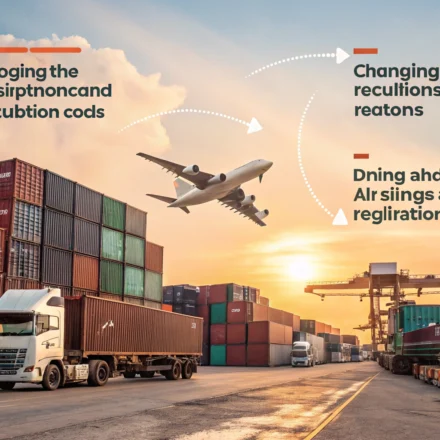
The capacity to produce goods in bulk consistently and deliver them efficiently is a cornerstone of Chinese manufacturing. The country possesses one of the most **integrated and advanced manufacturing infrastructures in the world**. This isn’t just about factory floor space; it’s about a national ecosystem designed for scale. As verified by industry analyses, “China has built an integrated network of highways, high-speed rail, inland waterways, coastal mega-ports, and multimodal corridors, enabling seamless domestic distribution and efficient global export.” This infrastructure supports high-volume production runs and ensures that once products are manufactured, they can be moved through a complex supply chain with remarkable speed and reliability. For businesses requiring huge volumes, Chinese manufacturers are uniquely equipped to meet these demands consistently over the long term, providing the scalability necessary to capture market share and fulfill large contracts.
The Global Recognition of Chinese Manufacturing Quality
A significant shift in the global perception of “Made in China” has occurred, moving from a stereotype of low-cost, low-quality goods to recognition of **operational excellence and advanced manufacturing**. Today, Chinese firms compete at the forefront of high-tech sectors, including AI, green energy, and smart manufacturing. This evolution is driven by widespread adoption of international quality management systems and massive investment in technology and worker training. Chinese manufacturers are deeply embedded in international supply chains, supplying both sophisticated components and finished goods to leading global brands. Sourcing from China now offers businesses the benefit of this mature quality ecosystem, where cost efficiency no longer requires a compromise on performance. The ability to eliminate middlemen and source directly from the source allows businesses to boost their own revenue margins while maintaining high standards.
China’s manufacturers are deeply embedded in international supply chains, supplying both components and finished goods to companies worldwide. This integration has made China indispensable for global production.
Conclusion: Partnering for Future Growth in a Dynamic Landscape
Selecting the best Chinese manufacturer is a strategic endeavor that blends diligent research with an appreciation for China’s evolved industrial capabilities. The process demands patience, skepticism, and a willingness to invest in verification, but the rewards are substantial. By meticulously vetting potential partners and leveraging China’s formidable infrastructure and recognized quality, businesses can secure more than just a product—they can forge a partnership that provides a true competitive edge. As global trade dynamics continue to shift, the ability to effectively identify and collaborate with reliable Chinese manufacturers will remain a critical competency for businesses aiming for resilience, scalability, and sustained success in the international marketplace. The journey requires effort, but the potential to reap long-term rewards makes it one of the most valuable investments a growing business can make.