
Inside a Hardcore Chinese Auto Manufacturer’s Supply Chain at CISCE 2026: A Deep Dive
The China International Supply Chain Expo (CISCE) offers a rare window into the industrial heart of global manufacturing, and few sectors are as compelling as the automotive industry. In the recent spotlight is a standout participant: a **hardcore automobile manufacturer** whose presence at the expo reveals not just its own formidable capabilities, but the sophisticated and vertically integrated supply network that fuels its operations. This company represents a growing class of Chinese industrial players that are moving beyond simple assembly to master complex engineering, stringent quality control, and deep supplier collaboration, positioning themselves as key links in the global automotive value chain.
Company Core Business and Product Line Analysis
At its core, this manufacturer specializes in the design, engineering, and production of high-performance and durable vehicle segments. Its product line is meticulously crafted to meet the rigorous demands of specific application scenarios, focusing on reliability and robust engineering over mass-market passenger appeal. The company’s showcase at CISCE demonstrated a clear commitment to a **vertical integration strategy**, which is a significant competitive advantage. This approach allows for greater control over quality, cost, and innovation timelines.
The main product categories include:
- Heavy-Duty Commercial Vehicles: Trucks and chassis designed for construction, mining, and long-haul logistics, emphasizing payload capacity and engine durability.
- Specialized Utility Vehicles: Purpose-built models for firefighting, municipal services, and agricultural applications, featuring custom bodywork and hydraulic systems.
- Off-Road and All-Terrain Platforms: Robust 4×4 and 6×6 vehicles intended for military use, exploration, and remote area operations, with enhanced suspension and powertrain systems.
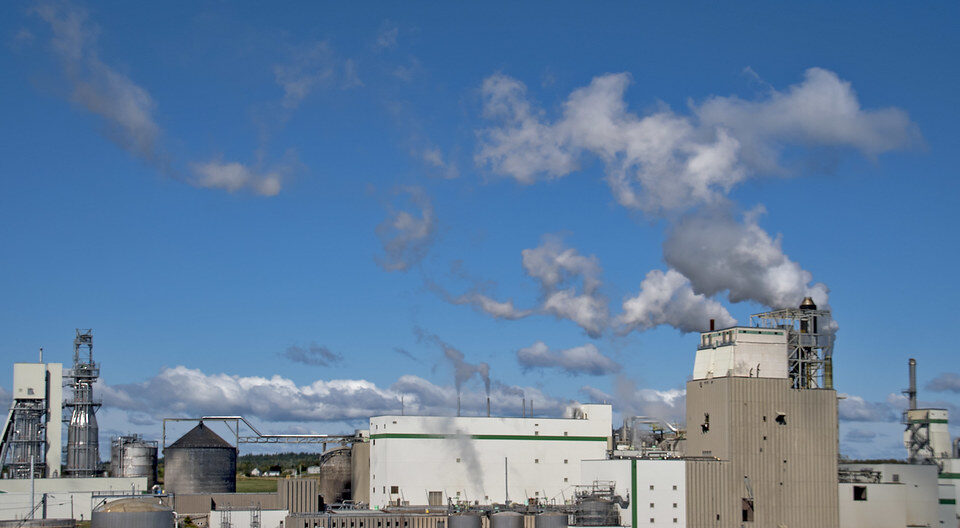
Production capabilities are underpinned by substantial certifications and a state-of-the-art manufacturing footprint. The company holds key industry certifications, including IATF 16949 for automotive quality management and ISO 14001 for environmental management, which are non-negotiable for supplying to global OEMs.
The manufacturer’s display highlighted its integrated powertrain production facility, capable of casting, machining, and assembling entire engine and transmission units in-house—a rarity that ensures performance consistency and mitigates supply chain disruption risks.
A critical element of their model is the deep, long-term partnership with a network of over 200 tier-1 and tier-2 suppliers. This is not a simple transactional relationship but a collaborative ecosystem. The manufacturer works directly with suppliers on material specifications, co-develops proprietary components for its unique chassis and drivetrain systems, and implements rigorous on-site quality audits. This supplier network is a core asset, enabling rapid prototyping and adaptation to new customer requirements.
Current Competitive Analysis
In the competitive landscape, this **hardcore automobile manufacturer** occupies a strategic niche. It does not directly compete with high-volume passenger car giants like BYD or Geely. Instead, its market position is that of a **specialist and solutions provider** for demanding industrial and commercial applications. Its primary competitors are other dedicated commercial vehicle and specialty truck makers within China, as well as established global players like Volvo Trucks and Caterpillar, but at a more competitive price point for similar or customized specifications.
The target markets are clearly segmented. Domestically, it serves the booming infrastructure and logistics sectors, supplying vehicles for national construction projects and e-commerce logistics networks. Internationally, the focus is on emerging markets in Southeast Asia, Africa, and the Middle East, where rugged, serviceable, and cost-effective utility vehicles are in high demand. The CISCE expo serves as a perfect platform to showcase these capabilities to a global audience of potential partners and buyers.
The company’s pricing strategy is a key differentiator. It leverages China’s mature and cost-efficient **automotive supply chain ecosystem** to offer products that deliver exceptional value. The price-to-performance ratio is carefully optimized: while not the cheapest on the market, the total cost of ownership (TCO) is aggressively competitive due to lower maintenance costs, fuel efficiency gains from co-developed powertrains, and the durability that extends service life. This positions them as the intelligent alternative to both cheaper, low-quality imports and prohibitively expensive Western equipment.
Differentiation is achieved through three pillars. First is **application-specific customization**; the ability to modify chassis, payload, and body configurations quickly based on client needs is a major selling point. Second is **supply chain transparency and resilience**; their deep integration and supplier partnerships, proudly displayed at CISCE, assure clients of consistent production and parts availability. Third is a relentless focus on **core engineering excellence** in the powertrain and structural components, which translates directly into uptime and reliability for the end-user.






Leave a Reply
You must be logged in to post a comment.