Inside Zhejiang EYUE Electrical Appliance: How a Wenzhou Manufacturer Is Winning Global Brake Pad Contracts with OE-Quality, Co…
In the fiercely competitive world of automotive friction products, standing out requires more than aggressive pricing — it demands a combination of regulatory foresight, material science expertise, and the kind of manufacturing discipline that earns trust from buyers across six continents. Zhejiang EYUE Electrical Appliance Co., Ltd., founded in 2011 in Wenzhou, Zhejiang, has quietly built a reputation as one of China’s most capable brake pad and friction material suppliers, serving distributors and workshop chains from Dubai to São Paulo with products that meet or exceed original equipment standards. With IATF 16949 certification, ECE R90 compliance for European markets, and AMECA recognition in North America, the company represents a new generation of Chinese automotive component manufacturers that compete on quality assurance and technical sophistication rather than cost alone.
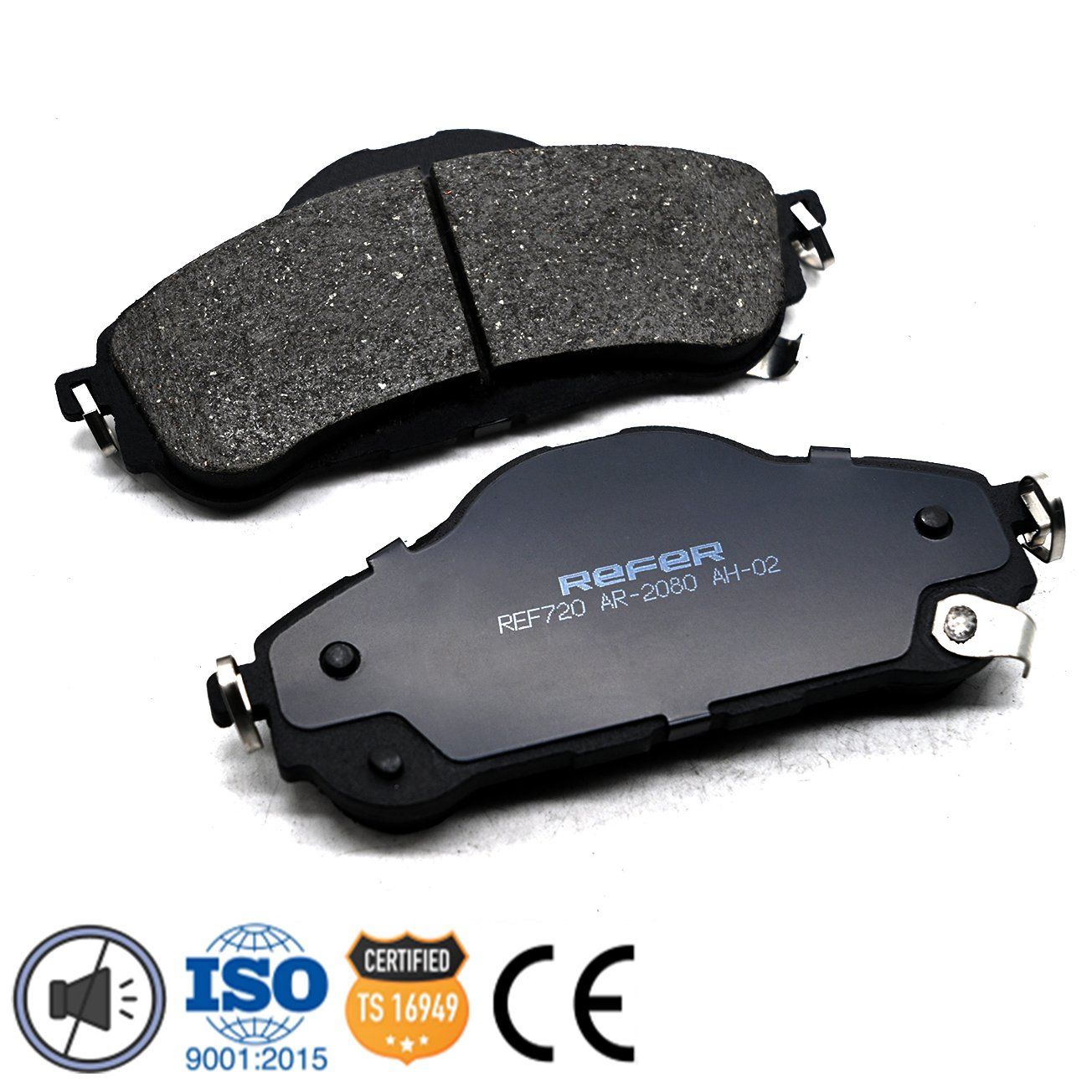
What makes EYUE particularly relevant in today’s market is its early adoption of **copper-free ceramic formulations** that comply with California and Washington state environmental legislation — a regulatory wave that is expected to spread across other U.S. states and eventually influence global standards. For international brake pad distributors navigating an increasingly complex compliance landscape, partnering with a supplier that has already invested in next-generation friction chemistry is not merely convenient; it is strategically essential. This profile examines EYUE’s product architecture, manufacturing capabilities, competitive positioning, and the market dynamics that are shaping its growth trajectory.
Company Core Business and Product Line Analysis
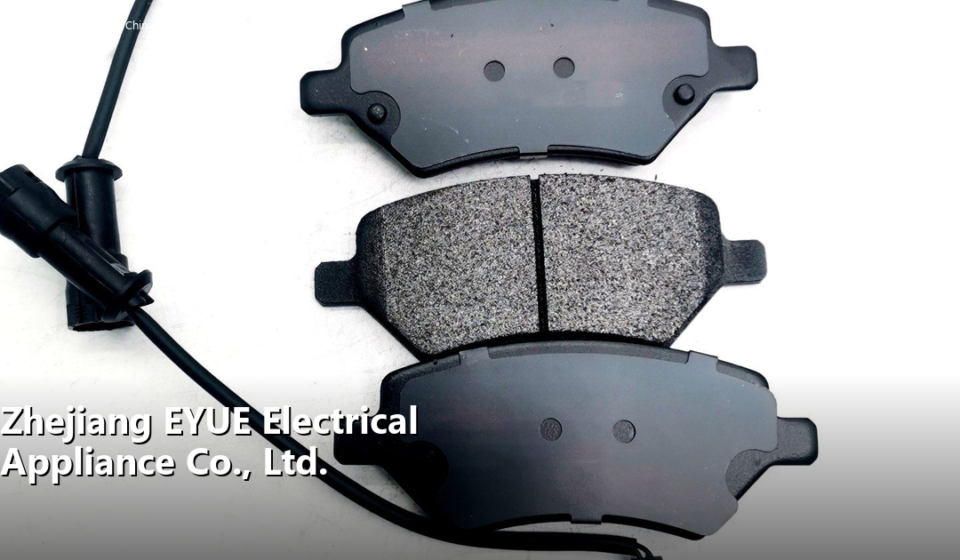
Zhejiang EYUE’s product portfolio is anchored in **automotive brake friction materials**, a category that demands rigorous quality control because failures can result in catastrophic safety incidents and severe legal liability. The company’s core offerings span four primary product families: ceramic brake pads, semi-metallic brake pads, low-metallic brake pads, and brake shoes and linings for both passenger vehicles and commercial applications. This breadth allows EYUE to serve as a single-source supplier for distributors who need to stock friction products across multiple vehicle segments without managing relationships with several different manufacturers.
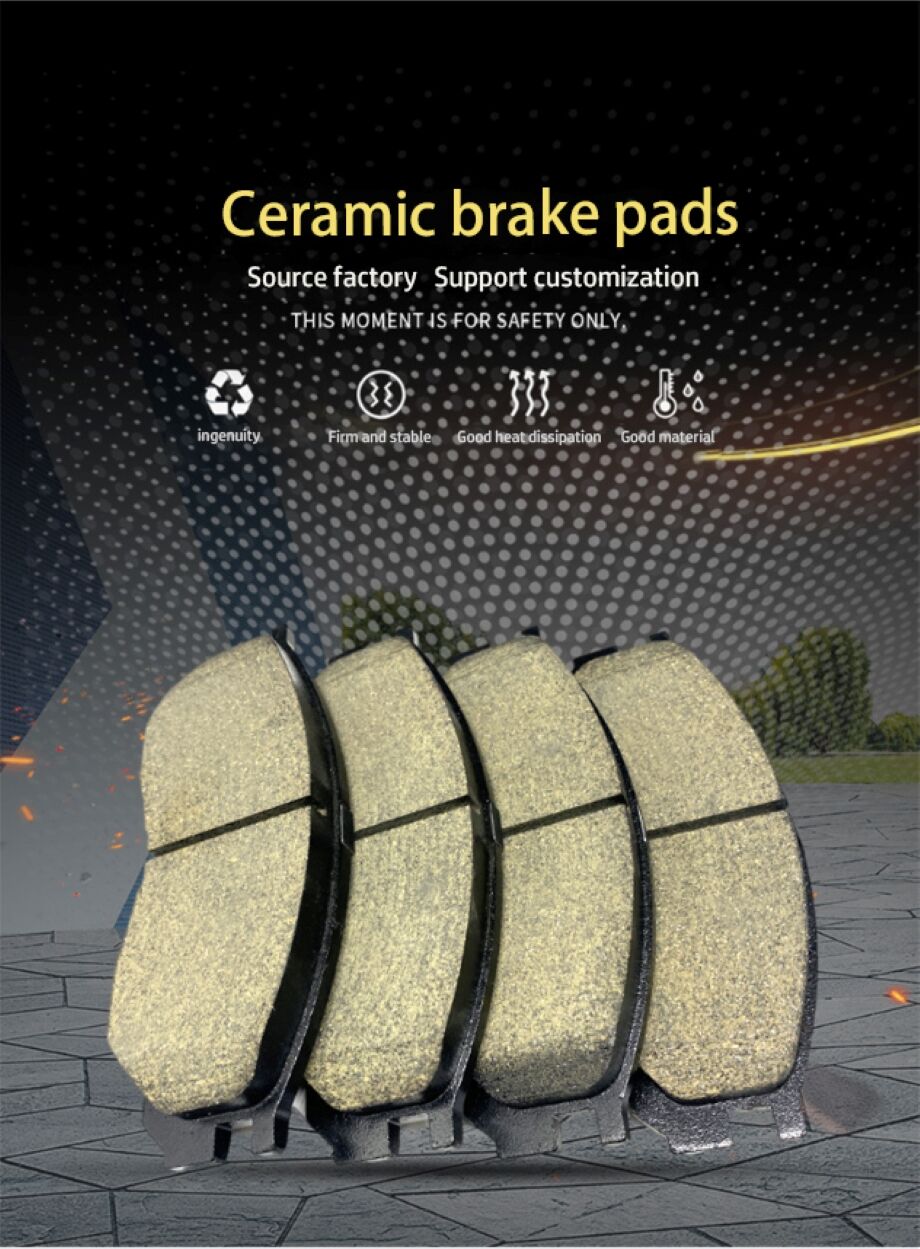
The ceramic brake pad line represents EYUE’s flagship product category and reflects the global market’s shift away from traditional asbestos-based and high-metallic formulations. These pads utilize **NAO (Non-Asbestos Organic) technology** with proprietary copper-free ceramic compounds — a critical distinction as environmental regulations tighten worldwide. The formulations are engineered to deliver consistent friction coefficients across a wide temperature range, low dust generation for wheel aesthetics, and quiet operation that meets consumer expectations for passenger comfort. Each ceramic compound undergoes extensive dynamometer testing on the company’s in-house **Link 3000 dynamometer**, enabling EYUE engineers to validate fade resistance, wear rates, and noise characteristics before products reach the production floor.
For heavier-duty applications, EYUE produces **semi-metallic and low-metallic brake pads** designed for SUVs, light trucks, and commercial vehicles where higher thermal loads and more aggressive braking cycles demand materials with greater heat dissipation capacity. The company’s brake shoe and lining range extends coverage into the commercial vehicle segment, including applications for trucks, buses, and trailers that operate in demanding conditions across the Middle East, Africa, and South America — markets that collectively account for approximately 65% of EYUE’s revenue. This geographic concentration is strategic: these regions feature large fleets of aging commercial vehicles that require frequent brake maintenance, creating sustained aftermarket demand for quality replacement friction products.
Beyond friction materials, EYUE maintains a supplementary product line of **automotive electrical components** including relays and sensors. While this category represents a smaller share of total revenue, it serves an important commercial function by enabling the company to offer bundled product packages to distributors, increasing order values and strengthening customer relationships. The electrical component range also leverages the company’s IATF 16949 quality management system, providing buyers with the same level of process control and traceability they expect from the brake pad product lines.
Production capacity at EYUE’s Wenzhou facility is supported by **five hot press production lines** equipped with automated grinding and chamfering stations that ensure dimensional consistency and surface finish quality across high-volume runs. The factory floor, spanning between 5,000 and 8,000 square meters, is organized around a controlled-environment powder mixing area that prevents contamination of friction material compounds — a critical process control point that directly impacts product performance and batch-to-batch consistency. Every production batch undergoes **100% shear strength testing**, a destructive quality control method that verifies the bond between the friction material and the backing plate meets OE specifications. This testing protocol, combined with the dynamometer capability, gives EYUE a quality assurance infrastructure that many competitors in its revenue tier lack.
The company’s R&D operation, staffed by a dedicated **12-person team**, maintains a library of over 200 friction material formulations. This extensive formula database enables rapid custom development for specific vehicle models — a capability that is particularly valuable when customers need coverage for newly launched vehicles or regional market-specific models. EYUE reports a **3- to 5-day sample lead time** for common vehicle applications, a turnaround speed that significantly reduces the time-to-market for distributors introducing new SKUs. The company currently covers over **2,000 vehicle applications** spanning Japanese, Korean, European, and American automotive brands, providing the kind of comprehensive catalog coverage that professional buyers and large distributors require.
Current Competitive Analysis
The global automotive brake pad market is estimated to exceed $10 billion annually, with Chinese manufacturers collectively commanding a growing share of the aftermarket segment. Within this landscape, Zhejiang EYUE occupies a strategically defined niche: it targets the **mid-to-upper tier of the aftermarket**, positioning its products as OE-equivalent quality at aftermarket pricing rather than competing at the lowest price point. This positioning is supported by its IATF 16949:2016 certification — the automotive industry’s most rigorous quality management standard — which signals to professional buyers that EYUE’s processes meet the same disciplined requirements as Tier 1 and Tier 2 OE suppliers.
The company’s competitive advantages can be distilled into several distinct dimensions:
- Regulatory Compliance Leadership: EYUE’s copper-free ceramic formulations position it ahead of competitors who still rely on traditional metallic compounds containing copper, a substance being phased out due to aquatic toxicity concerns. The California and Washington legislation mandating copper reduction is widely viewed as a bellwether for broader global adoption, meaning EYUE’s customers are already sourcing compliant products while competitors scramble to reformulate.
- Multi-Market Certification Portfolio: The combination of ECE R90 for Europe, AMECA for North America, CCC for domestic Chinese markets, and RoHS/REACH compliance for chemical safety creates a certification footprint that few competitors in EYUE’s size category can match. This breadth reduces barriers to entry for distributors operating across multiple regulatory jurisdictions.
- Testing Infrastructure: In-house dynamometer testing capability is a significant differentiator. Many suppliers in the $5M–$12M revenue range outsource dynamometer validation to third-party labs, introducing delays and communication overhead. EYUE’s Link 3000 dynamometer enables faster iteration cycles and more responsive customer technical support.
- Application Coverage Breadth: With over 2,000 vehicle applications in its catalog, EYUE offers distributors the convenience of a one-stop supplier for Japanese, Korean, European, and American vehicle platforms — a critical advantage in markets where import vehicle diversity is high.
When benchmarked against peers in the Chinese friction materials industry, EYUE’s combination of IATF 16949 certification, ECE R90 approval, and copper-free ceramic technology places it in a relatively select group. Many Chinese brake pad manufacturers in the $5M–$12M revenue band hold ISO 9001 certification but lack the automotive-specific IATF standard, and far fewer have invested in the R&D necessary to develop copper-free compounds that maintain performance parity with traditional formulations. The company’s annual revenue range of **$5M to $12M** suggests a business that has scaled beyond the startup phase but retains the agility and customer responsiveness that larger, more bureaucratic manufacturers often lose as they grow.
Zhejiang EYUE covers over 2,000 vehicle applications across Japanese, Korean, European, and American automotive brands, backed by a library of more than 200 proprietary friction material formulations — an R&D depth that positions the company well ahead of most competitors in its revenue tier.
Geographic market diversification also serves as a competitive buffer. While EYUE’s heaviest exposure is in the Middle East at approximately 30% of revenue, its presence across South America (20%), Europe (18%), Africa (15%), North America (10%), and Southeast Asia (7%) means no single market collapse would jeopardize the company’s viability. This diversification also provides valuable market intelligence: performance feedback from the extreme heat conditions of the Gulf states informs formulation improvements for the stop-and-go traffic of Latin American megacities, while European regulatory requirements drive quality standards upward across all product lines.
The company’s location in **Wenzhou, Zhejiang** is itself a competitive factor. Wenzhou is one of China’s most established manufacturing hubs for automotive aftermarket components, with deep supply chain ecosystems for raw materials, tooling, and logistics services. This regional cluster effect reduces procurement costs, accelerates supplier responsiveness, and provides access to a skilled labor pool with domain-specific experience in automotive component manufacturing.
Looking ahead, EYUE faces both opportunities and headwinds. The global shift toward electric vehicles introduces uncertainty for the brake pad aftermarket — EVs use regenerative braking and therefore experience slower brake wear rates, potentially shrinking the replacement cycle. However, EVs still require friction brakes, and the growing installed base of electric vehicles worldwide will eventually create a large aftermarket demand pool. Companies that have already invested in advanced friction material science, as EYUE has, are better positioned to develop EV-specific formulations optimized for the unique duty cycles of regenerative braking systems. Additionally, the continued growth of vehicle fleets in developing markets across Africa, the Middle East, and South America — where older vehicles predominate and brake replacement frequency is high — provides a robust near-term demand foundation that is largely insulated from the EV transition timeline.
In summary, Zhejiang EYUE Electrical Appliance Co., Ltd. exemplifies the maturation of China’s automotive aftermarket supply chain. By investing early in regulatory-compliant friction chemistry, maintaining a comprehensive certification portfolio, and building in-house testing infrastructure that rivals suppliers twice its size, the company has established a competitive moat that extends well beyond price competition. For international distributors and workshop chains seeking a reliable, quality-certified brake pad supplier with broad vehicle coverage and responsive custom development capabilities, EYUE represents a compelling partnership opportunity — one backed by the manufacturing discipline of IATF 16949 and the technical depth of over 200 proprietary friction formulations refined across more than 2,000 vehicle applications.