Strategic OEM Partnerships in China: Leveraging Quality, Scalability, and Expert Sourcing Agents for Global Competiti…
The narrative around manufacturing in China has fundamentally evolved. No longer is it merely a story of low-cost labor and basic assembly; it has matured into a sophisticated ecosystem of Original Equipment Manufacturing (OEM) partnerships that are pivotal for global brands seeking innovation, quality, and agile production. For businesses aiming to compete on a global scale, mastering the nuances of **OEM in China sourcing** is less about simple arbitrage and more about forging strategic alliances. This transformation is driven by Chinese manufacturers who are integrating advanced automation, robotics, and a deep commitment to international quality standards. By strategically navigating intellectual property protection, building robust cultural relationships, ensuring rigorous compliance, and crucially, leveraging professional sourcing expertise, companies can unlock significant competitive advantages. The path forward involves viewing Chinese OEMs not just as suppliers, but as indispensable partners in growth and innovation, capable of delivering both excellence and flexibility in a volatile market.
Quality and Innovation: The New Hallmarks of Chinese OEM Manufacturing
Gone are the days of compromising on quality for cost savings. Modern Chinese OEM manufacturers have invested heavily in state-of-the-art technology and innovative production techniques to meet and often exceed global benchmarks. This shift is critical for businesses looking to differentiate their products in crowded international markets. Access to high-quality manufacturing and innovative capabilities is now a hallmark benefit of these partnerships, enabling brands to deliver superior products that build consumer trust and loyalty.
Advanced Technology Driving Excellence
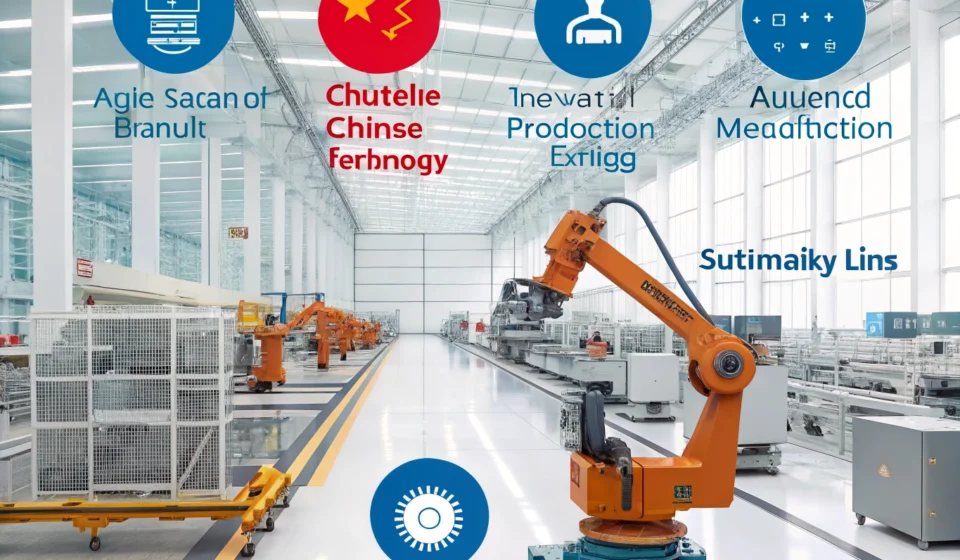
The adoption of cutting-edge technology is central to this quality revolution. Chinese OEM factories are increasingly equipped with advanced automation systems, precision machinery, and sophisticated quality control software. This technological infusion ensures consistency, reduces human error, and allows for the production of complex components with exceptional accuracy. For instance, many leading manufacturers now utilize robotics in assembly lines and AI-driven inspection systems, guaranteeing that products adhere to stringent international standards. This focus on **innovative manufacturing techniques** is not just about maintaining standards but about pushing the boundaries of what is possible in production.
Compliance and Sustainability as Competitive Edges
Furthermore, a deep understanding of global compliance requirements is embedded in the operations of top-tier Chinese OEMs. These manufacturers are not only adept at meeting basic safety and environmental standards but are often proactive in adopting sustainable practices. This includes implementing energy-efficient processes, reducing waste, and using eco-friendly materials, which aligns with the growing global demand for responsible manufacturing. For international brands, partnering with such compliant OEMs mitigates regulatory risk and enhances their own sustainability credentials, creating a powerful value proposition for end consumers.
Cost Efficiency and Scalability: Foundations of Strategic OEM Partnerships
While quality and innovation elevate product offerings, the enduring competitive advantages of Chinese OEM partnerships are rooted in profound **cost efficiency** and exceptional production flexibility. These factors provide the financial and operational backbone that allows businesses to invest in growth and respond dynamically to market forces. Understanding these elements is fundamental to structuring a successful sourcing strategy.
Unpacking the Cost Efficiency Equation
The cost advantages stemming from OEM partnerships in China are multifaceted and significant. They result from a combination of lower labor costs, massive economies of scale, and highly streamlined local supply chains. When compared to domestic manufacturing in many Western countries, the difference in operational expenses can be dramatic. Key cost drivers include:
- Lower Manufacturing Costs: Reduced expenses for training, equipment maintenance, and overhead compared to many domestic facilities.
- Economies of Scale: The concentration of manufacturing clusters allows for bulk purchasing of raw materials and shared logistical networks, driving down unit costs.
- Streamlined Supply Chains: Proximity to suppliers of components and raw materials minimizes lead times and reduces inventory carrying costs.
This comprehensive cost structure directly translates to improved profit margins and competitive pricing for global brands, allowing them to allocate resources toward marketing, R&D, and customer experience.
Flexible Scaling to Meet Market Demands
Perhaps equally vital is the scalability and flexibility that Chinese OEM partners offer. In today’s unpredictable global market, the ability to scale production up or down efficiently is a critical strategic asset. Whether a business is launching a new product, experiencing seasonal demand spikes, or responding to rapid growth, Chinese manufacturers are uniquely positioned to adapt. As one verification summary highlights, “Chinese OEM manufacturers can quickly adapt to higher production volumes” and are equipped to handle orders ranging from small pilot runs to massive commercial volumes. This **scaling production and flexibility** eliminates the burden of fixed manufacturing costs and capacity constraints, empowering businesses to be agile, test new markets, and capitalize on opportunities without hesitation.
The Indispensable Role of Professional Sourcing Agents
Navigating the complexities of China’s vast manufacturing landscape, from vetting partners to ensuring quality control and managing logistics, presents significant challenges. This is where the strategic value of engaging a professional sourcing agent becomes paramount. These agents act as a company’s “boots on the ground,” bridging the gap between international businesses and local factories. Their expertise transforms the OEM partnership from a potentially risky venture into a managed, transparent, and value-adding process.
Mitigating Risk and Unlocking Insights
A skilled sourcing agent provides critical, localized insights that are often inaccessible from abroad. They conduct rigorous factory audits, verify credentials, and assess production capabilities firsthand, effectively mitigating the risks of partnering with an unsuitable manufacturer. They serve as the buyer’s representative within the complex ecosystem, maintaining direct contact with production managers to resolve issues swiftly and prevent misunderstandings that can derail timelines and budgets. Their role extends to **navigating complex logistics**, managing samples, overseeing production milestones, and ensuring stringent quality control is maintained at every stage. By handling the intricate details and advocating for the buyer’s interests, sourcing agents allow companies to focus on their core business, confident that their manufacturing arm is being professionally managed. As noted, they provide “valuable insights and support every step of the way,” making them an essential component of a successful China sourcing strategy.
Looking Ahead: The Future of China OEM Partnerships
The trajectory of **OEM in China sourcing** points toward ever-deeper integration, technological sophistication, and strategic collaboration. The future will see these partnerships evolve beyond transactional relationships into co-innovation hubs, where Chinese manufacturers and international brands jointly develop next-generation products. Advances in AI, IoT, and smart manufacturing will further enhance efficiency, traceability, and customization capabilities. Sustainability will move from a compliance checkbox to a core driver of partnership selection, with manufacturers competing on their green credentials. For global businesses, the message is clear: success in the coming decade will be defined by the ability to cultivate strong, ethical, and agile OEM partnerships in China. By grounding their strategy in quality, leveraging cost and scale advantages, and partnering with expert sourcing agents, companies can not only navigate the complexities of global manufacturing but also build a resilient and competitive foundation for sustained growth. The ultimate competitive advantage lies not in choosing between cost and quality, but in strategically synthesizing both within a partnership built for the future.