How to Source from China: A 2024 Guide to Manufacturers, Suppliers, and Sourcing Agents
For decades, China has been synonymous with global manufacturing, earning its moniker as the “world’s factory.” Today, its role is more nuanced and strategic than ever, evolving from a simple low-cost option into a sophisticated, integrated ecosystem for global supply chains. Whether you are a nascent e-commerce entrepreneur, an established Amazon FBA seller, or a multinational brand, understanding the mechanics of **China sourcing** is no longer optional—it is a critical competency. This guide delves into the enduring benefits, practical methodologies, and the indispensable role of local partners in navigating this complex yet rewarding landscape.
The Enduring Strategic Benefits of China Sourcing for Global Businesses
Sourcing products from China offers more than just cost savings; it provides a comprehensive competitive edge built on a foundation of immense scale, diversity, and a mature support ecosystem. For businesses worldwide, leveraging these advantages is key to product development, market entry, and sustained profitability.
Unmatched Scale, Diversity, and Infrastructure
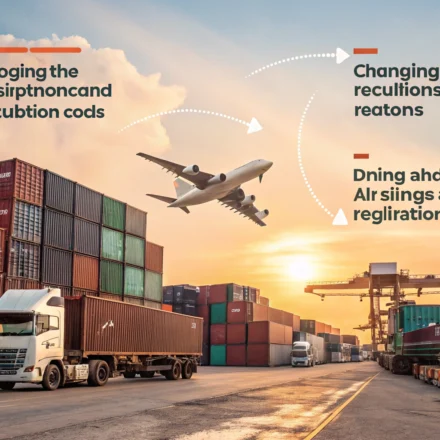
China’s manufacturing infrastructure is unparalleled. It is not merely about having many factories, but about possessing an integrated network of highways, high-speed rail, and mega-ports that enables seamless domestic distribution and efficient global shipping. This physical backbone, combined with advanced digital infrastructure like the world’s most extensive 5G network, supports operational efficiency that few countries can mirror. This allows for remarkable scalability; whether an order is for 500 units or 500,000, the system can adapt with agility.
Furthermore, the diversity of China’s manufacturing ecosystem is staggering. Specialized industrial clusters dot the country: Shenzhen for electronics, Guangzhou for apparel and machinery, Yiwu for small commodities, and so on. This means there is likely a specialized factory for almost any product imaginable, from complex consumer electronics to intricate plastic assemblies. This deep, integrated supply chain capability for various materials and components makes it a hub not just for simple goods, but for complex, multi-part products.
China’s manufacturing dominance is underpinned by complex, multi-layered supply chains. For instance, a product as simple as a lighter can involve over 30 different components sourced from a local network of specialized suppliers.
The Cost Advantage and Economies of Scale
The lower production and operational costs associated with China sourcing remain a primary driver. While wages have risen, they are still competitive compared to Western nations. However, the true cost advantage is more holistic. It encompasses lower costs for warehousing, logistics, and order fulfillment, all of which are embedded within the country’s efficient ecosystem. Economies of scale further reduce per-unit costs, especially for businesses that can commit to larger orders. This combination allows brands to achieve healthy margins or price their products competitively in global markets.
Navigating the Methodologies: How to Source from China
Businesses can choose from several pathways to connect with Chinese manufacturers, each with its own set of advantages and risk profiles. The right choice depends on budget, order volume, expertise, and tolerance for hands-on management.
Leveraging Trade Shows and Online Platforms
Trade shows like the Canton Fair remain powerful tools for direct, face-to-face interaction with suppliers. They allow buyers to assess product samples, discuss quality control procedures, and gauge a factory’s capacity firsthand. This method reduces risk and builds crucial relationships. In contrast, online B2B platforms like Alibaba.com offer a vast, cost-effective starting point for product discovery. However, they require diligent vetting, as the risk of encountering trading companies posing as manufacturers is higher.
The Critical Role of China Sourcing Agents and Full-Service Firms
For many, especially those new to international trade, partnering with a China sourcing company or agent is the most strategic path. These firms act as a local, boots-on-the-ground team. They bypass middlemen to secure direct factory pricing, manage rigorous quality inspections, handle logistics, and navigate cultural and linguistic barriers. Trusted agents like JingSourcing or specialized firms provide an essential layer of expertise and risk mitigation. As one testimonial highlights, an agent can “catch an error in your design that [you] overlooked,” preventing costly mistakes down the line. This partnership transforms sourcing from a transactional activity into a managed process, ensuring quality and timely delivery.
- Trade Shows: Best for relationship-building and hands-on product evaluation.
- Online Platforms: Offers vast product discovery but requires intense due diligence.
- Sourcing Agents: Provide comprehensive management, quality control, and risk mitigation for a fee.
- Direct Factory Sourcing: Possible for established buyers with the resources to manage all aspects directly.
Future-Proofing Your China Supply Chain: Trends and Considerations
The landscape of global manufacturing is evolving. While China’s dominance is resilient, savvy businesses are adopting more nuanced strategies. A forward-looking approach involves not just finding suppliers, but building a resilient and ethical supply chain.
Beyond Cost: Building a Resilient and Diversified Supply Chain
Recent years have highlighted the need for supply chain resilience. Leading companies are not necessarily abandoning China but are adopting a “China Plus One” strategy, using Chinese capabilities as the anchor while diversifying certain production to other countries. The focus is also shifting towards sustainability, ethical labor practices, and carbon footprint reduction. Partnering with sourcing agents who have deep local knowledge is invaluable for auditing factories against these modern standards. The goal is a supply chain that is not only cost-effective but also transparent, flexible, and robust against disruptions.
In conclusion, sourcing from China in 2024 is a sophisticated endeavor that goes far beyond simple cost arbitrage. It offers access to an unrivaled ecosystem of scale, diversity, and infrastructure. Success hinges on choosing the right sourcing methodology—whether through direct engagement at trade shows, careful vetting on online platforms, or strategic partnership with a professional sourcing agent. As the global economic landscape shifts, the businesses that will thrive are those that view China not just as a factory, but as a strategic component of a smart, resilient, and future-proof global supply chain. The key is to proceed with due diligence, leverage local expertise, and focus on building partnerships rather than just transactions.