Sourcing from China: A Step-by-Step Guide for Small Businesses to Navigate Cost Advantages and Reliable Suppliers
In an increasingly interconnected global economy, the “Made in China” label is ubiquitous, representing not just a final product but often critical components within a vast international supply chain. For ambitious small businesses and entrepreneurs, the proposition of sourcing goods and services directly from the world’s factory floor is compelling, promising significant cost advantages that can translate into higher profit margins and competitive pricing. However, the journey from identifying a need to securing a shipment from a Shenzhen factory is fraught with complexity. Navigating language barriers, cultural nuances, quality assurance, and logistics requires a strategic approach. Fortunately, as the manufacturing ecosystem matures and support services proliferate, a clear path is emerging for businesses willing to look beyond the misconceptions and tap into China’s unparalleled production capabilities. This guide demystifies the process, moving from the foundational cost drivers to the practical mechanisms for finding trustworthy partners.
The China Cost Advantage: Why It Still Matters for Small Business Sourcing
Despite headlines about rising wages and a shifting global trade landscape, the fundamental value proposition of manufacturing in China remains potent, particularly for small to medium-sized enterprises (SMEs). The advantage is no longer solely about rock-bottom pricing but has evolved into a sophisticated ecosystem offering cost efficiency at multiple levels. At its core, this stems from decades of industrial clustering, where entire supply chains for specific products—from electronics to textiles—are concentrated in specialized geographic regions, creating a self-reinforcing cycle of expertise, supplier competition, and scaled production.
The direct benefits for a small business are multifaceted. First, labor costs, while higher than a decade ago, are still substantially lower than in North America or Western Europe for comparable skilled work. This direct cost saving on assembly and production is the most obvious benefit. Second, ancillary services that form the backbone of any manufacturing operation—such as warehousing, specialized packaging, and domestic logistics—are dramatically cheaper due to lower real estate and input costs. A factory in a place like Guangdong province isn’t just a workshop; it’s part of a dense network that efficiently procures raw materials, manages inventory, and coordinates shipping at a fraction of the overhead one might incur elsewhere.
Deconstructing the Total Cost Equation
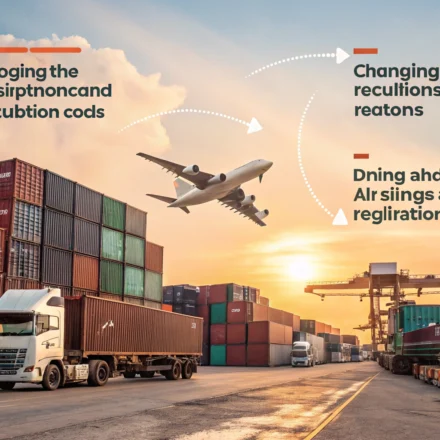
A prudent sourcing strategy looks beyond the unit price on an invoice. The total cost of ownership includes tariffs, shipping, compliance, and the cost of quality failures. China’s well-established logistics infrastructure, including major ports like Shanghai and Shenzhen, often results in lower per-unit shipping costs for consolidated loads. Furthermore, decades of experience serving international markets mean many Chinese manufacturers are adept at producing goods that meet specific international standards and certifications, reducing the risk—and cost—of non-compliance or product recalls down the line.
- Lower Direct Labor and Production Costs: The primary driver, offering significant savings on core manufacturing.
- Reduced Ancillary Overhead: Cheaper warehousing, material inputs, and local services.
- Specialized Cluster Ecosystems: Sourcing from a cluster (e.g., Yiwu for small commodities, Shenzhen for electronics) leverages localized competition and expertise, further driving down cost and improving quality.
- Competitive Logistics and Export Infrastructure: World-class port facilities contribute to cost-effective global shipping.
“Decades of manufacturing have resulted in an ecosystem of suppliers that are specialized by sector, forming different clusters throughout China. Each cluster has a sustainable cost advantage due to specialization.” — IESE Business School
Bridging the Gap: The Critical Role of Sourcing Agents
Understanding the cost benefits is one thing; effectively and safely accessing them is another. This is where the concept of having an overseas office becomes a formidable barrier for most small businesses. The more viable and increasingly popular solution is to partner with a reliable sourcing agent in China. A sourcing agent or agency acts as your local representative, a crucial bridge that mitigates risks and streamlines the entire procurement process. They are not merely translators but are strategic partners who understand the intricate dance of Chinese business negotiations, factory evaluations, and quality control protocols.
The value these agents provide is comprehensive. They can identify vetted manufacturers that match your exact specifications and budget, conduct initial screenings to filter out unscrupulous operators, and manage all communications, eliminating language barriers. Crucially, they provide on-the-ground quality control, either through pre-production inspections of materials and prototypes or during-production checks to ensure the assembly line meets agreed standards before final shipment. For a small business, this expertise in quality control procedures and production capacity verification is invaluable, as it prevents costly mistakes and delays.
Navigating the Search for Trustworthy Partners
Finding the right agent, however, is a challenge in itself. The market ranges from highly professional firms to individual freelancers with varying levels of integrity and capability. Due diligence is non-negotiable. Reputable agents, such as those highlighted in industry guides like Keen Sourcing or Dragon Sourcing, often have verifiable track records, transparent pricing models, and established networks. A key step in vetting a potential agent is to verify their business legitimacy through official Chinese business databases, ensuring they are a registered and compliant entity.
Beyond online searches, one of the most effective ways to identify and meet potential sourcing partners in person is by attending industry events. These gatherings are not just for finding suppliers but also for identifying competent agents who often attend to network with foreign buyers. The direct interaction allows you to assess their professionalism, communication skills, and understanding of your industry before committing to a partnership.
“A Chinese sourcing agent… acts as a vital bridge between international customers and Chinese factories, helping customers navigate the Chinese market by overcoming language barriers, cultural differences, and logistical challenges.”
The Face-to-Face Edge: Leveraging Trade Shows for Sourcing Success
In the digital age, the importance of physical trade shows for sourcing from China cannot be overstated. These exhibitions are the lifeblood of China’s export ecosystem, serving as concentrated marketplaces where thousands of manufacturers and sourcing service providers showcase their capabilities. For a small business buyer, attending these fairs is a masterclass in efficiency, offering unparalleled opportunities to meet potential suppliers face-to-face, touch products, discuss customization, and begin the trust-building process that is essential for any successful overseas manufacturing relationship.
The Canton Fair, officially the China Import and Export Fair held biannually in Guangzhou, stands as the colossus of these events. As the largest and oldest B2B trade fair in Asia, its sheer scale is a testament to China’s manufacturing breadth. Walking its halls is like conducting a panoramic survey of global production. It is an ideal venue for buyers with larger volume needs seeking a wide variety of products under one roof. However, it is not the only option. Yiwu International Trade City, while not a seasonal fair but a permanent market, functions similarly, especially for small commodities. Regional fairs and specialized shows, like those focused on electronics or textiles, allow for deeper dives into specific sectors.
Maximizing Your Trade Show Investment
A successful trade show visit requires preparation. It’s not a sightseeing tour; it’s a targeted business trip. Key steps include pre-registering, studying exhibitor lists to pre-schedule meetings, preparing a clear product specification sheet, and having your sourcing agent (if you’ve engaged one) help navigate the landscape and facilitate conversations. During meetings, the focus should be on due diligence: asking pointed questions about minimum order quantities (MOQs), production lead times, certifications, and their experience with exporting to your target market. Collecting samples and detailed quotations is just the beginning; the real goal is to shortlist 2-3 potential suppliers for further evaluation back home, often with the agent’s help in conducting factory audits.
- The Canton Fair (Guangzhou): The flagship event for broad-spectrum product sourcing at scale.
- Yiwu Market (Yiwu): A permanent exhibition city ideal for small commodities and high-volume, low-cost goods.
- Global Sources & HKTDC Fairs (Hong Kong): Known for electronics and higher-value products, often attracting quality-focused suppliers.
- Regional/Industry-Specific Fairs: Offer concentrated access to suppliers in sectors like furniture, machinery, or apparel.
Conclusion: Building a Resilient Sourcing Strategy for the Future
The narrative of sourcing from China has matured from a simple story of cheap labor to a more nuanced tale of integrated ecosystems, strategic partnerships, and intelligent risk management. For small businesses, the pathway to accessing China’s manufacturing prowess is clearer than ever, but it demands diligence and a willingness to invest in the right relationships. The cost advantages, rooted in industrial clustering and supporting infrastructure, provide a strong economic foundation. The professionalization of sourcing agent services offers a vital operational bridge, mitigating the significant risks of distance and cultural difference. Finally, the enduring relevance of trade shows provides the essential human connection that underpins trust.
Looking ahead, this landscape will continue to evolve. The rise of digital B2B platforms and AI-driven supply chain tools will add new layers of efficiency, but they will not replace the need for on-the-ground verification and relationship-building. China’s projected ascent to become the world’s largest economy underscores its centrality to global trade. For the astute small business entrepreneur, the future of sourcing from China is not about avoiding challenges, but about systematically mastering them. By combining thorough research, leveraging expert local partners, and engaging in direct, face-to-face evaluation, businesses can build resilient, cost-effective supply chains that power growth and competitive advantage in the global marketplace. The step-by-step journey begins with a single, well-informed step towards the factory door.