The Unseen Engine: How China’s OEM Manufacturing Dominance Shapes Global Supply Chains and Your Favorite Brands
In the sleek packaging of a new smartphone, behind the smooth operation of a household appliance, or within the intricate circuitry of an automotive component, lies a story not of the brand on the label, but of the silent partner that brought it to life. This partner is the Original Equipment Manufacturer, or OEM—the hidden engine of global commerce. In today’s interconnected economy, understanding the OEM model, particularly within the context of China, is not just insightful; it is fundamental to understanding modern business itself. China has cemented its position not merely as a participant in OEM manufacturing but as its undisputed global epicenter, a complex ecosystem where efficiency, scale, and innovation converge. For international brands, leveraging this ecosystem offers unparalleled advantages, but it also demands a strategic and informed approach to navigate its intricacies. This article delves into the enduring appeal of **China OEM manufacturing**, its operational mechanics, and the critical considerations for global businesses seeking to harness its power.
The Enduring Appeal of “World’s Factory”: Why China’s OEM Ecosystem Remains Unmatched
The moniker “World’s Factory” is not mere hyperbole; it is a testament to decades of strategic development that has created a manufacturing environment of unparalleled depth and resilience. International brands continue to turn to Chinese OEMs for cost-effective production across electronics, consumer goods, automotive parts, and textiles for a confluence of reasons that form a powerful competitive edge.
Infrastructure and Logistics: The Backbone of Efficiency
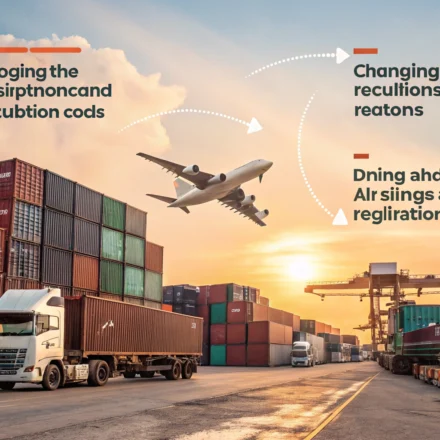
At the core of China’s dominance is its world-class **manufacturing infrastructure**. The country boasts an integrated, multimodal network that includes massive coastal mega-ports, an extensive high-speed rail system, a vast highway grid, and dedicated inland waterways. This network facilitates the seamless and rapid movement of raw materials and finished goods, drastically reducing lead times and logistics costs. As one industry analysis notes, “Infrastructure remains one of China’s most decisive advantages in sustaining its manufacturing leadership.” This logistical prowess ensures that OEM production is not only cost-effective but also highly reliable, a non-negotiable factor for global brands operating on tight schedules.
Human Capital and the Supplier Network Advantage
Beyond physical infrastructure lies an equally critical asset: a vast, **skilled labor force** honed by years of industrial growth. This workforce is supported by an incredibly dense and sophisticated **supplier network**. In clusters like the Pearl River Delta or the Yangtze River Delta, businesses can source virtually any component within a short radius, fostering rapid prototyping, customization, and problem-solving. This ecosystem creates a level of flexibility and responsiveness that is difficult to replicate elsewhere. As Jeffrey, an industry expert, pointedly observes, “China by far remains the most competitive, diverse, and flexible supply chain in the world,” highlighting that while other nations offer specific advantages, none match China’s holistic ecosystem.
Scale and Cost-Effectiveness
The sheer scale of Chinese manufacturing enables profound economies of scale, translating into highly competitive pricing for global buyers. While labor costs have risen, they remain competitive relative to the productivity and skill level offered. Furthermore, the competitive landscape among OEMs themselves drives continuous innovation in process efficiency and cost management, ensuring that international partners receive exceptional value. Leading conglomerates like **Midea and Haier** exemplify this, operating as both massive OEMs and brands themselves, demonstrating the scale at which the Chinese OEM sector operates.
Inside the Partnership: How OEM Manufacturing in China Works and Its Key Benefits
The OEM model is fundamentally a partnership built on specification and execution. A client company (the brand) provides the detailed design, technical specifications, and quality requirements for a product. The **Chinese OEM** then uses its manufacturing facilities, expertise, and supply chain to produce the product, which is finally sold under the client’s brand name. This clear division of labor unlocks significant strategic benefits.
Core Benefits: From Cost Focus to Core Competencies
The primary advantages for international businesses are compelling:
- Cost Efficiency: Leveraging China’s low production costs and economies of scale significantly reduces capital expenditure and operational expenses compared to in-house manufacturing.
- Focus on Core Competencies: By outsourcing production, companies can redirect valuable resources, management attention, and capital toward their strengths: research and development, marketing, branding, and customer engagement.
- Speed to Market and Scalability: China’s OEM ecosystem allows for rapid scaling of production volumes in response to market demand, helping businesses capitalize on trends quickly and manage inventory efficiently.
- Access to Expertise and Technology: Partnering with established OEMs provides immediate access to specialized manufacturing knowledge, mature production processes, and advanced technologies without the need for internal development.
This model allows a tech startup to bring a gadget to market with the polish and volume of an industry veteran, or a fashion brand to produce collections with unparalleled speed and variety.
Navigating the Complexities: Critical Considerations for China OEM Collaboration
While the benefits are substantial, successful engagement with Chinese OEMs requires careful management of inherent complexities. Treating the relationship as a simple transaction rather than a strategic partnership is a common pitfall. Businesses must proactively address three key areas: **supplier relationships, quality control, and intellectual property (IP) protection.**
Building Robust Relationships and Ensuring Quality
Success begins with thorough due diligence and the cultivation of a strong, transparent relationship. This involves more than price negotiations; it means understanding the OEM’s capabilities, financial health, and business culture. Many companies find value in working with established Contract Manufacturers (CMs) who have vetted networks of trusted suppliers. Quality control is another non-negotiable pillar. It must be an ongoing process, not a final checkpoint. This includes pre-production inspections, first article inspections, and clear, bilingual checklists that adhere strictly to the provided specifications. Rigorous **factory audits** and consistent communication are essential tools for maintaining standards.
Safeguarding Intellectual Property
Perhaps the most significant concern for foreign companies is IP protection. The risk of design or technology replication, while mitigated by strong legal frameworks, remains a strategic consideration. Best practices for safeguarding IP include:
- Legal Fortification: Using meticulously drafted, enforceable Non-Disclosure Agreements (NDAs) and comprehensive contracts that clearly delineate IP ownership and penalties for breach.
- Phased Disclosure: Sharing only the necessary technical information required for the current production phase, rather than the entire blueprint at once.
- Building Trust: Investing in long-term relationships with reputable OEM partners fosters mutual respect and alignment of interests, making IP theft a less likely and more damaging proposition for the supplier.
As one legal guide emphasizes, strong supplier relationships and rigorous contracts form the first line of defense in protecting a company’s most valuable assets when manufacturing in China.
The Future of the Foundry: Evolution, Not Replacement
The narrative around China’s manufacturing sector often fluctuates between unbridled optimism and premature obituaries. The reality is more nuanced: a story of continuous evolution. While **supply chain diversification** to Southeast Asia and near-shoring trends are real, they represent a strategic broadening, not a wholesale abandonment of China. The country’s OEM ecosystem is itself adapting, moving up the value chain toward more complex, technology-intensive production. The future will likely see a deeper integration of digital tools, such as IoT for real-time production monitoring and AI for quality prediction, further enhancing efficiency. For global businesses, the strategic imperative is clear: mastering the art of engaging with China’s OEM sector remains a critical competency. The brands that succeed will be those that view Chinese OEM partners not as interchangeable factories, but as vital, strategic collaborators in a deeply interconnected global production network. Understanding and navigating this complex landscape is no longer optional—it is central to competitive success in the global marketplace.