

































China Consumption Shifts to Services as Goods Spending Stalls
China consumption shifts to services. Retail sales -1.2%, travel +18%. Experience economy rising.
By CII (China Industry Intel) – Contributing Analyst | June 20, 2026
China’s consumer economy is undergoing a structural shift that is catching many analysts off guard. While retail sales growth has stalled — and in some months turned negative — spending on services is surging. Travel, entertainment, healthcare, and education are all posting double-digit growth, even as goods consumption struggles. The trend is reshaping the investment landscape for consumer companies operating in China.
The Data Tells the Story
| Category | May 2026 YoY | Q1 2026 YoY | Trend |
|---|---|---|---|
| Retail Sales (goods) | -1.2% | +2.1% | ↓ Declining |
| Travel & Tourism | +18% | +22% | ↑ Strong growth |
| Entertainment & Media | +14% | +16% | ↑ Accelerating |
| Healthcare Services | +12% | +11% | ↑ Steady growth |
| Education & Training | +9% | +8% | ↑ Recovering |
| E-commerce (goods) | +3% | +5% | → Slowing |
| Dining & Food Services | +7% | +9% | ↑ Moderate growth |
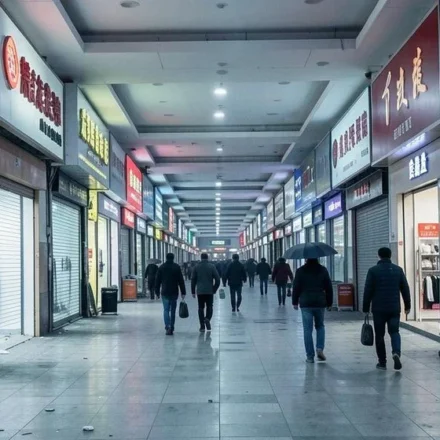
The most striking data point is the divergence between goods and services. While retail sales fell 1.2% year-over-year in May 2026 — the first decline since the post-COVID reopening — travel and tourism spending grew 18%. Chinese tourists made 180 million domestic trips during the May Day holiday, up 15% from 2025, and international travel bookings surged 35%.
What’s Driving the Shift

UPSTREAM: The shift from goods to services reflects several structural changes in China’s consumer economy. First, the property market downturn has reduced household wealth, making consumers more cautious about big-ticket purchases like cars and appliances. Second, the rise of the “experience economy” — particularly among Gen Z consumers — is driving spending toward travel, entertainment, and personal development.
DOWNSTREAM: Companies are adapting. Alibaba and JD.com are investing heavily in local services (food delivery, travel booking, healthcare), while traditional retailers are struggling. The luxury goods market, which was a bright spot in 2024-2025, has also slowed as Chinese consumers shift from buying products to buying experiences.
BOTTLENECKS: The biggest challenge for the services sector is labor supply. China’s aging population is creating shortages in healthcare, education, and hospitality, driving up wages and squeezing margins. The government is responding with policies to encourage service-sector employment, but the transition will take years.
CII Analysis

China’s consumption shift from goods to services is a long-term trend that will reshape the country’s consumer economy. For investors, the key takeaway is to pivot from goods-focused companies (retailers, e-commerce) to services-focused companies (travel, entertainment, healthcare). The winners will be companies that can combine digital platforms with offline services — a model that Chinese tech companies are uniquely positioned to execute. The losers will be traditional retailers and goods manufacturers that fail to adapt to the new consumption patterns.
Sources
- S&P Global — China Consumption Brief: Services Will Take a Big Share
- YouTube — China Sees First Consumer Spending Drop Since Covid
- McKinsey — China Consumer Report 2026
- Reuters — China retail sales fall for first time since COVID reopening
- Bloomberg — China Travel Boom Defies Economic Slowdown