


























Global Shipping Industry Adapts to New Trade Routes as Red Sea Crisis Persists
By CII (China Industry Intel) – Contributing Analyst | June 20, 2026
The global shipping industry is adapting to a new normal as the Red Sea crisis enters its 18th month. Container shipping rates have stabilized at elevated levels, and companies are investing in alternative routes and larger vessels to cope with the longer transit times around the Cape of Good Hope.
Shipping Industry Adaptation
| Metric | Pre-Crisis | Current | Change |
|---|---|---|---|
| Asia-Europe transit time | 25 days | 38 days | +52% |
| Shanghai-Rotterdam rate | $1,500/TEU | $5,800/TEU | +287% |
| Global fleet utilization | 85% | 92% | +7pp |
| New vessel orders | 200 ships | 450 ships | +125% |
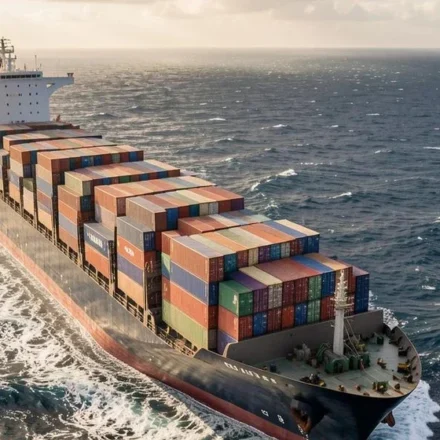
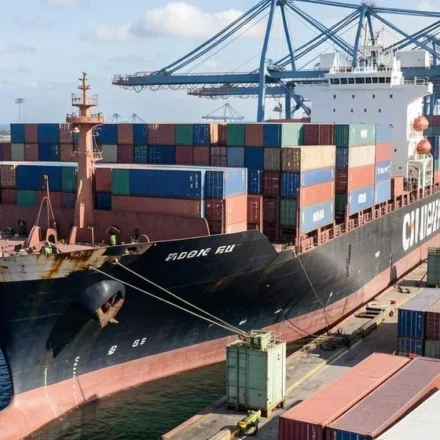
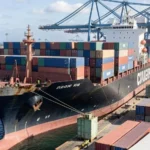
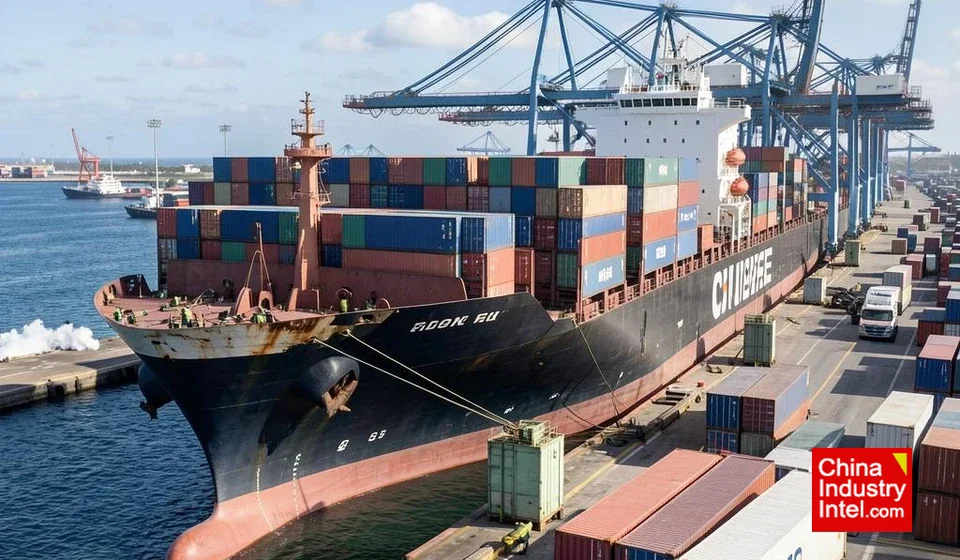
Shipping companies have responded to the crisis by ordering larger vessels and investing in fuel-efficient technologies. Maersk, MSC, and COSCO have collectively ordered 450 new container ships, with deliveries scheduled through 2028. These larger vessels can carry more cargo per voyage, helping to offset the longer transit times.
Impact on Global Trade

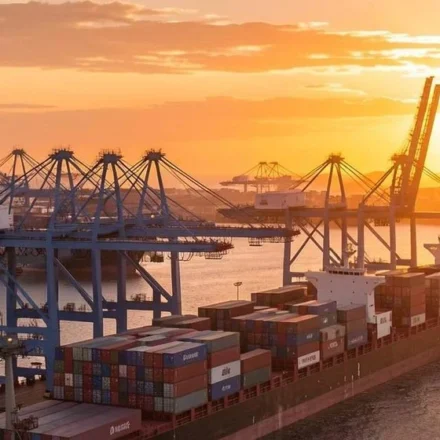
UPSTREAM: The longer transit times have increased demand for warehousing and distribution facilities near destination ports. Companies are building buffer stocks to compensate for the unpredictability of shipping schedules. This has led to a surge in warehouse construction in Europe and North America.
DOWNSTREAM: The elevated shipping costs have made some trade routes uneconomical. Low-value goods, such as furniture and textiles, are increasingly being sourced from closer locations. This has benefited nearshoring destinations like Turkey, Morocco, and Eastern Europe.
BOTTLENECKS: The lack of a political resolution to the Red Sea crisis means the disruption is likely to persist. Shipping companies are planning for a multi-year adjustment period, with some analysts predicting that rates will remain elevated through 2027.
CII Analysis

The global shipping industry is undergoing a structural transformation driven by the Red Sea crisis. Companies that adapt quickly by investing in larger vessels, alternative routes, and digital logistics solutions will emerge stronger. For investors, the key opportunities lie in shipping companies (Maersk, COSCO), logistics technology firms, and nearshoring destinations. The crisis is also accelerating the adoption of digital supply chain management tools, creating opportunities for technology providers.
Sources
- Scan Global Logistics — Latest News
- Seatrade Maritime — Shipping Ports and Logistics News
- Freightos — Global Shipping Rates Index