




























Global Supply Chain Faces New Disruptions as Red Sea Crisis Persists
By CII (China Industry Intel) – Contributing Analyst | June 20, 2026
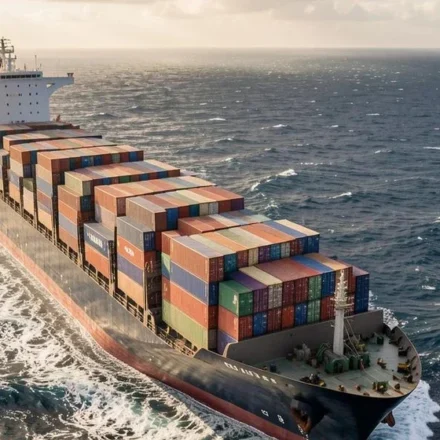
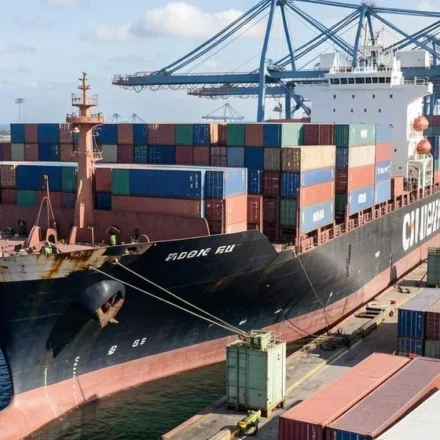
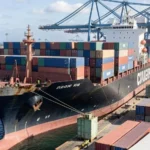
The Red Sea shipping crisis, now in its 18th month, continues to reshape global supply chains in ways that few anticipated. Container shipping rates from Asia to Europe have surged 300% compared to pre-crisis levels, and the rerouting of vessels around the Cape of Good Hope has added 10-14 days to transit times. For companies with just-in-time supply chains, the disruption is forcing a fundamental rethink of logistics strategies.
The Scale of Disruption
| Route | Pre-Crisis Rate | Current Rate | Increase |
|---|---|---|---|
| Shanghai → Rotterdam | $1,500/TEU | $6,200/TEU | +313% |
| Shanghai → Los Angeles | $2,100/TEU | $5,800/TEU | +176% |
| Shanghai → Dubai | $800/TEU | $3,200/TEU | +300% |
| Transit time (Asia → Europe) | 25 days | 38 days | +52% |
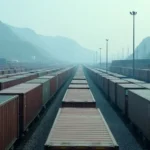
The rerouting around Africa has absorbed approximately 15% of global container shipping capacity, creating a supply squeeze that has pushed rates to levels not seen since the 2021 supply chain crisis.
Impact on China’s Exports

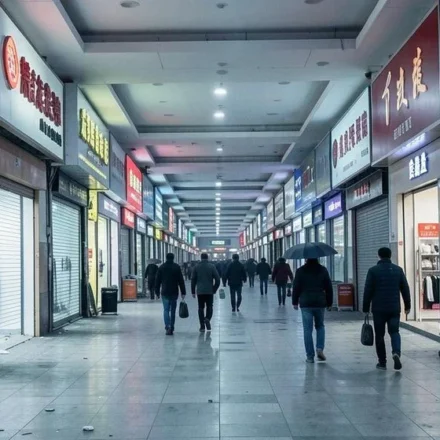
UPSTREAM: China’s export sector is feeling the impact acutely. Manufacturers report that shipping costs now account for 8-12% of product value for low-margin goods, up from 3-4% pre-crisis. This has made some exports to Europe uneconomical, particularly for furniture, textiles, and consumer electronics.
DOWNSTREAM: European importers are increasingly turning to nearshoring alternatives — Turkey, Morocco, and Eastern Europe — for products that were previously sourced from China. This trend, while still small, could accelerate if shipping costs remain elevated.
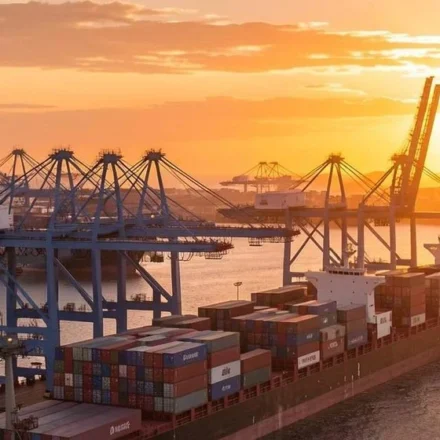
BOTTLENECKS: The lack of a political resolution to the Red Sea crisis means the disruption is likely to persist through 2026. Shipping companies have invested in larger vessels and alternative routes, but the fundamental supply-demand imbalance remains.
CII Analysis

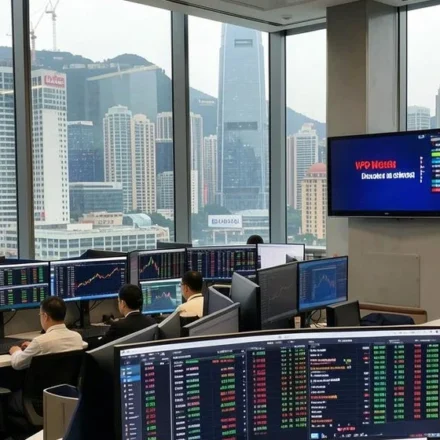
The Red Sea crisis is accelerating a structural shift in global supply chains that was already underway. Companies that were considering supply chain diversification are now executing those plans, and the elevated shipping costs are making Chinese exports less competitive in some categories. For investors, the key beneficiaries are shipping companies (Maersk, COSCO), logistics technology firms, and nearshoring destinations like Vietnam and India.
Sources
- Supply Chain Dive — Shipping and Logistics News
- Maersk — Freight Seasons and Supply Chain Impact
- Freightos — Global Shipping Rates Index