China’s Green Hydrogen Push: From Pilot Projects to Industrial Scale
Hydrogen is becoming China’s next big energy bet
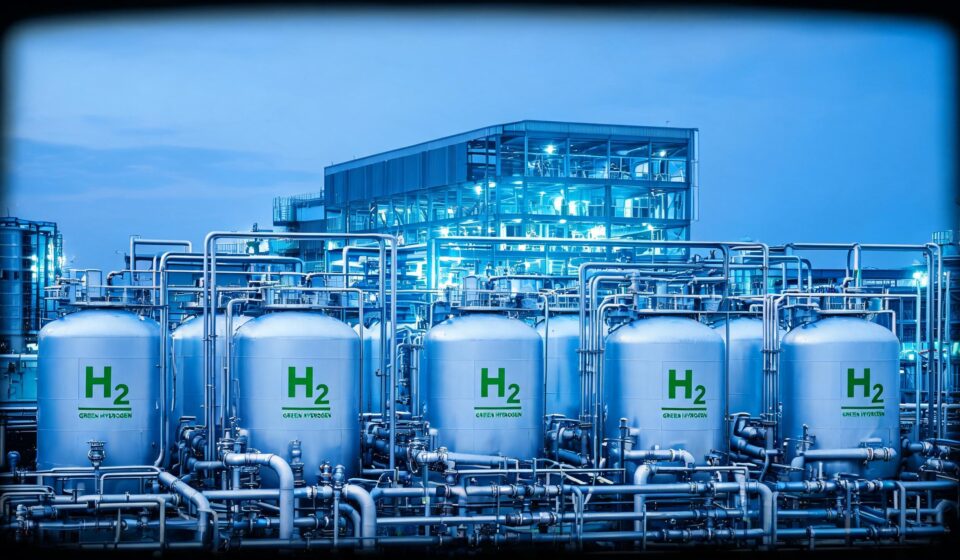
China produced approximately 35 million tonnes of hydrogen in 2025, making it the world’s largest hydrogen producer. But the vast majority — roughly 95% — is “grey” hydrogen made from coal and natural gas, emitting significant CO2 in the process. The government’s target: shift to 50% “green” hydrogen (produced from renewable electricity via electrolysis) by 2035.
The push is accelerating in 2026. Inner Mongolia, which has some of China’s cheapest wind and solar electricity, is emerging as the epicenter of green hydrogen production. The Baotou Green Hydrogen Industrial Park, which broke ground in March 2025, began initial production in May 2026 with a capacity of 50,000 tonnes per year of green hydrogen.
The economics are changing
Green hydrogen costs in China have dropped to 20-25 yuan per kilogram ($2.80-$3.50/kg), down from 35-40 yuan/kg two years ago. The government targets 15 yuan/kg by 2028 — a level that would make green hydrogen competitive with grey hydrogen in many applications.
The cost reduction is driven by three factors: cheaper electrolyzers (Chinese manufacturers like Peric and LONGi Hydrogen have driven costs down 60% since 2022), cheaper renewable electricity, and scale effects from large production facilities.
Industrial applications drive demand
The primary demand for green hydrogen comes from three sectors:
- Steel production: China’s first hydrogen-reduced steel mill, operated by HBIS Group in Zhangjiakou, began trial production in April 2026
- Refining: PetroChina and Sinopec are replacing grey hydrogen with green in their refinery operations
- Heavy transport: Hydrogen fuel cell trucks for long-haul freight (see EV category)
Sinopec, China’s largest hydrogen producer, has committed to building 1,000 hydrogen refueling stations by 2028, up from roughly 300 currently. The company’s Kuqa green hydrogen plant in Xinjiang, with a capacity of 20,000 tonnes per year, is the world’s largest solar-powered green hydrogen facility.
Global implications
China’s green hydrogen scale-up could reshape global hydrogen markets. If Chinese electrolyzer costs continue to fall, green hydrogen produced in China and exported via pipeline or ammonia tanker could undercut domestic production in Japan, South Korea, and Europe.
The EU has responded with its own hydrogen subsidies, but European electrolyzer manufacturers struggle to compete on cost with Chinese equipment. The hydrogen economy, like solar before it, may become another sector where China dominates manufacturing.
Sources
- China Hydrogen Alliance, 2025 production data
- SaurEnergy, China renewable energy data, 2026
- HBIS Group, hydrogen steel production announcement, April 2026
- Sinopec, green hydrogen investment plan, 2026