KOL Rates Surge 50% in China as Authenticity Becomes the New Marketing Currency
AI-generated content floods social platforms, making real human voices more valuable
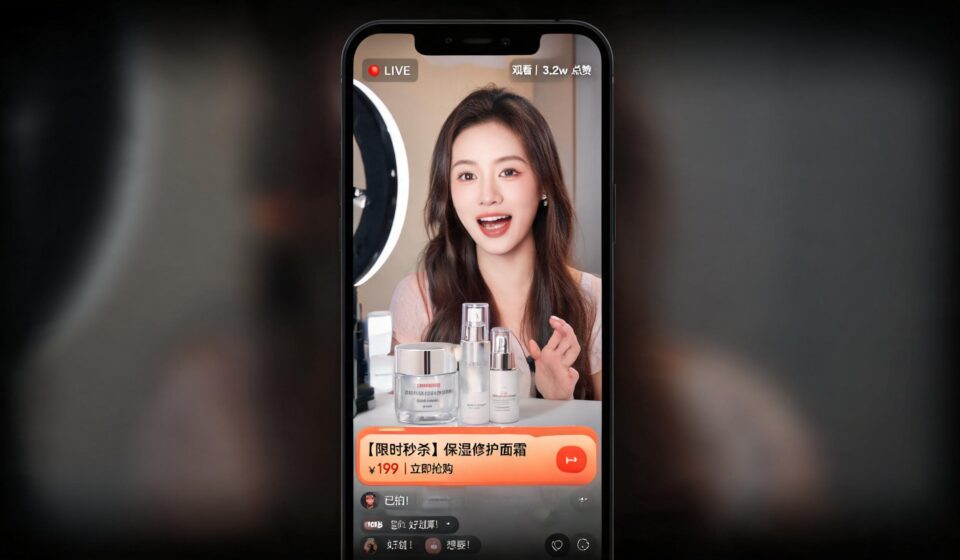
China’s key opinion leader (KOL) and key opinion consumer (KOC) market is experiencing a paradox in 2026: as AI-generated content floods platforms like Xiaohongshu, Weibo, and Douyin, the rates commanded by authentic human influencers have surged 30-50% year-on-year.
The logic is straightforward. When anyone can generate polished product reviews, lifestyle content, and recommendation posts using AI, the distinguishing factor becomes whether a real person is behind the account. Brands are paying premium rates for verified human creators who can demonstrate genuine product experience and audience trust.
The AI content flood
Xiaohongshu (Little Red Book) reported in May 2026 that it removed 12 million posts in Q1 2026 for being AI-generated — a 400% increase from the same period in 2025. The platform has implemented mandatory disclosure requirements for AI-assisted content and deploys detection algorithms that flag suspicious posts.
“The flood of AI content has made consumers more discerning,” said Chen Wei, head of influencer marketing at a Shanghai-based agency. “They can tell when a review is too polished, too perfect. Real creators with imperfections and honest opinions are commanding higher rates because audiences trust them more.”
Prompt engineering replaces budget size
For brands using AI-generated content (which is still legal and widespread), the competitive advantage has shifted from budget to prompt engineering. A single marketing team can now produce 50+ creative variants per campaign, A/B testing different approaches at minimal cost. The quality of the prompts — not the size of the media spend — determines which variants perform.
“We used to spend 500,000 yuan on a single KOL collaboration,” said a marketing director at a beauty brand. “Now we spend 200,000 yuan on AI-generated variants and 300,000 yuan on three authentic KOLs. The ROI on the authentic ones is 3x higher.”
Platform responses
Social media platforms are responding to the authenticity challenge in different ways:
- Xiaohongshu: mandatory AI content disclosure, algorithmic preference for verified creators
- Douyin: investing in “verified human” badges for content creators
- Weibo: partnering with fact-checking organizations to identify AI-generated misinformation
The trend suggests that in the age of AI, human authenticity becomes a premium product — and the Chinese influencer market is the first to price it accordingly.
Sources
- Beyond Border Group, “China 2026: 8 eCommerce & Marketing Predictions”
- Xiaohongshu, content moderation report, Q1 2026
- Octoplus Media, “China Marketing Strategy 2026”