Alibaba, Tencent, and ByteDance: How China’s Tech Giants Are Pivoting to AI in 2026
The BAT companies are spending billions on AI infrastructure while restructuring legacy businesses
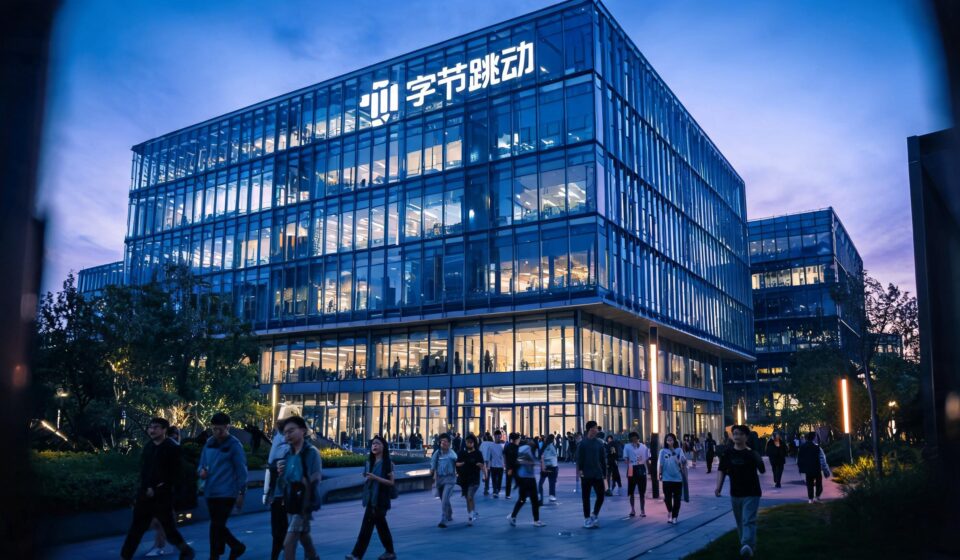
China’s three largest technology companies — Alibaba, Tencent, and ByteDance — are each pursuing distinct AI strategies in 2026, but with a common theme: AI is no longer a side project. It’s the central business strategy.
Alibaba Cloud reported AI-related revenue growth of 45% year-on-year in Q1 2026, driven by demand for its Qwen model API and AI infrastructure services. The company has committed 380 billion yuan ($52 billion) to cloud and AI infrastructure over three years — the largest single investment in Chinese tech history.
Tencent is integrating AI across its WeChat ecosystem, deploying AI assistants in enterprise WeChat, mini-programs, and its gaming division. The company’s Hunyuan model powers over 400 internal applications and is offered to enterprise customers through Tencent Cloud.
ByteDance, through its Doubao AI assistant, has reached 200 million monthly active users — making it the most widely used AI chatbot in China. The company’s AI strategy leverages its massive user base and content recommendation algorithms.
The inference cost war
Chinese cloud providers are engaged in a fierce price war for AI inference services. In the first half of 2026, Alibaba Cloud, Huawei Cloud, Tencent Cloud, and Baidu Cloud each announced price cuts of 30-60% for model inference APIs. The price war is driving adoption but compressing margins.
“The economics of AI in China are different from the US,” said a senior executive at Alibaba Cloud. “We can’t charge OpenAI-level prices because the market won’t bear it. So we compete on volume and ecosystem.”
Enterprise adoption accelerates
A survey by CAICT found that 67% of large Chinese enterprises had deployed generative AI in production by mid-2026 — up from 34% a year earlier. The fastest adoption is in financial services (82%), e-commerce (76%), and manufacturing (71%).
The primary use cases are customer service automation, document processing, code generation, and marketing content creation. Chinese enterprises are deploying AI faster than their Western counterparts in specific sectors, driven by lower inference costs and government encouragement.
Regulatory headwinds
The CAC’s new AI regulations (June 2, 2026) add compliance costs and operational complexity. Algorithm registration, quarterly audits, and data localization requirements are particularly burdensome for companies operating across multiple jurisdictions.
But the regulations also create barriers to entry that benefit incumbents. Alibaba, Tencent, and ByteDance have the resources to comply; smaller AI startups may not.
Sources
- CAICT, Enterprise AI Deployment Survey, May 2026
- Tech Daily Shot, “China’s AI Regulation 2026”
- RadarAI, “China AI Industry Developments 2026”


Leave a Reply
You must be logged in to post a comment.









[…] and Meituan subsequently denied active acquisition discussions, according to statements reported by 36Kr on June 12, 2026. Pupu itself issued only a brief response stating it had “no additional information to share […]