China’s Healthcare AI Revolution: From Diagnosis to Drug Discovery
AI is transforming Chinese healthcare faster than almost any other sector
China’s healthcare AI market reached $4.2 billion in 2025, growing 55% year-on-year, according to data from the China Academy of Information and Communications Technology (CAICT). The adoption spans radiology, pathology, drug discovery, and hospital management — with Chinese hospitals deploying AI at rates that exceed most Western counterparts.
The driver is necessity. China has roughly 2 physicians per 1,000 people, compared to 2.6 in the US and 4.3 in Germany. The shortage is acute in rural areas and lower-tier cities, where specialist doctors are scarce. AI-powered diagnostic tools help bridge this gap by enabling general practitioners to perform specialist-level screening.
Diagnostic AI leads adoption
The most mature application is medical imaging AI. Companies like Infervision, Shukun Technology, and YITU Technology have deployed AI diagnostic tools in over 3,000 Chinese hospitals. These systems can detect lung nodules, diabetic retinopathy, and breast cancer from medical images with accuracy that matches or exceeds human radiologists.
“In our hospital, AI reads every chest CT before a radiologist sees it,” said Dr. Zhang Li, chief of radiology at a hospital in Zhengzhou. “It flags suspicious findings and prioritizes cases. Our radiologists focus on the complex cases while AI handles the screening.”
Drug discovery acceleration
Chinese AI drug discovery companies are advancing rapidly. Insilico Medicine’s Chinese subsidiary and domestic firms like DP Technology and Galixir are using AI to identify drug candidates, predict molecular interactions, and optimize clinical trial designs. In 2025, three AI-discovered drug candidates from Chinese companies entered Phase II clinical trials — a milestone that took the Western AI drug discovery industry several years to achieve.
Regulatory framework
China’s NMPA has been relatively progressive in approving AI medical devices. As of June 2026, the agency has approved over 200 AI-powered medical devices, covering radiology, pathology, cardiology, and ophthalmology. The approval pathway for AI devices is faster than for traditional medical devices, reflecting the government’s desire to promote healthcare AI adoption.
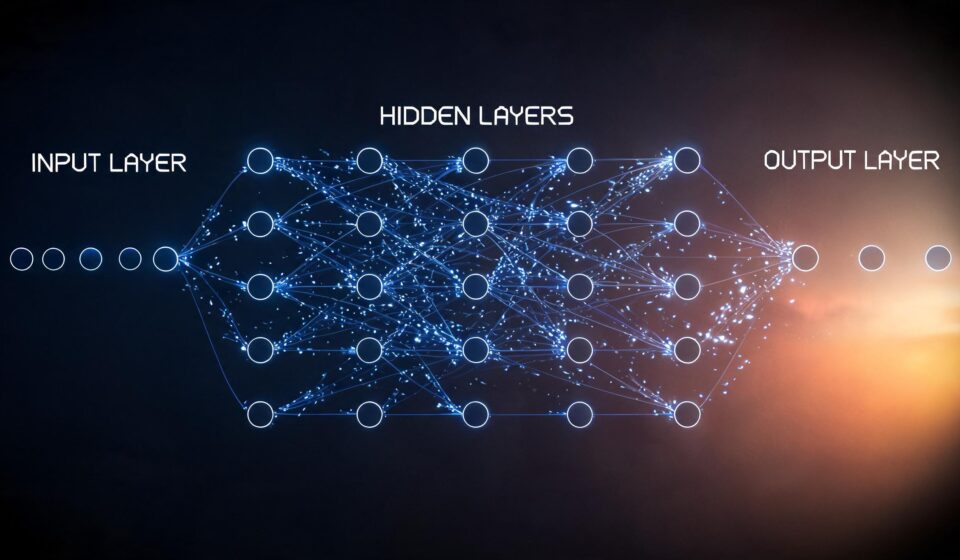
The CAC’s new AI regulations (June 2, 2026) add requirements for algorithmic auditing and explainability that affect healthcare AI. Companies must now demonstrate how their AI systems make diagnostic recommendations — a challenge for deep learning models that operate as “black boxes.”
Sources
- CAICT, Healthcare AI market data, 2025
- NMPA, AI medical device approvals, 2026
- CAC, AI regulatory guidelines, June 2, 2026