Rare Earths, Lithium, Gallium: How China Controls the Minerals That Power Modern Technology
China’s dominance in critical mineral processing gives it leverage over global supply chains
China processes approximately 90% of the world’s rare earth elements, 70% of its lithium, and 80% of its gallium — three minerals that are essential for everything from electric vehicle batteries to semiconductor chips to wind turbines. This processing dominance, built over three decades of strategic investment, gives China leverage over global supply chains that goes far beyond manufacturing.
In December 2025, China imposed export restrictions on gallium and germanium processing technology, following earlier restrictions on rare earth extraction technology. The moves signal Beijing’s willingness to use mineral processing as a geopolitical tool — a response to US and European restrictions on semiconductor technology exports to China.
The processing advantage
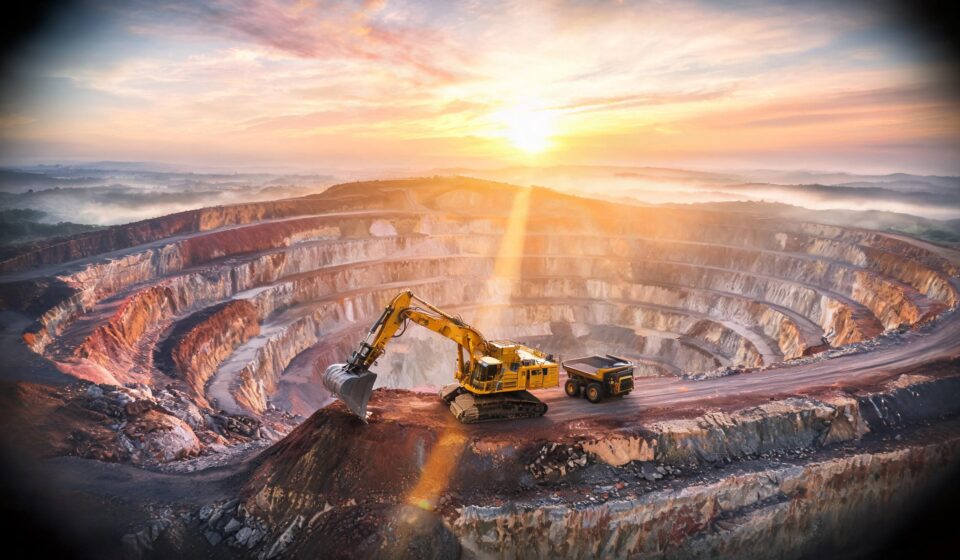
China’s mineral processing dominance isn’t about having the most mines — Australia, Chile, and the Democratic Republic of Congo have significant mining operations. It’s about having the processing infrastructure. Converting raw rare earth ore into usable materials requires complex chemical processing that China has mastered and other countries have not.
“Building a rare earth processing plant takes 5-7 years and billions of dollars,” said Dr. Eugene Gholz, a critical minerals expert at the University of Notre Dame. “China built its infrastructure over 30 years. You can’t replicate that overnight.”
Western efforts to diversify
The US, EU, and allies are investing in alternative processing capacity. The US Department of Energy allocated $3 billion in 2025-2026 for critical mineral processing projects. Australia’s Lynas Rare Earths is building a processing plant in Texas. Canada and the EU have launched similar initiatives.
But progress is slow. The Lynas Texas plant won’t reach full capacity until 2028. The MP Materials plant in California processes rare earths but still sends them to China for final refining. Complete diversification away from Chinese processing will take a decade or more.
Impact on technology companies
For technology companies, the mineral processing dependency creates supply chain risk that’s difficult to mitigate in the short term. Companies like Tesla, Apple, and Intel have signed long-term supply agreements with non-Chinese processors, but these agreements typically cover only a fraction of total needs.
The gallium restrictions are particularly concerning for the semiconductor industry. Gallium arsenide and gallium nitride are essential for 5G chips, power amplifiers, and RF components. With China controlling 80% of gallium processing, the restrictions create a bottleneck that affects chip production worldwide.
Sources
- US Department of Energy, critical minerals funding, 2025-2026
- Semiconductor Today, gallium processing research, June 2026
- China-US Focus, semiconductor competition analysis