China’s Cross-Border E-Commerce Logistics Boom Reshapes Global Parcel Networks
Chinese e-commerce platforms are building their own logistics infrastructure worldwide
Cross-border e-commerce from China reached $90.85 billion in 2025, up 15.5% year-on-year, according to China Customs data. The growth is straining existing logistics networks and prompting Chinese platforms — particularly Temu, Shein, and AliExpress — to build their own end-to-end delivery infrastructure.
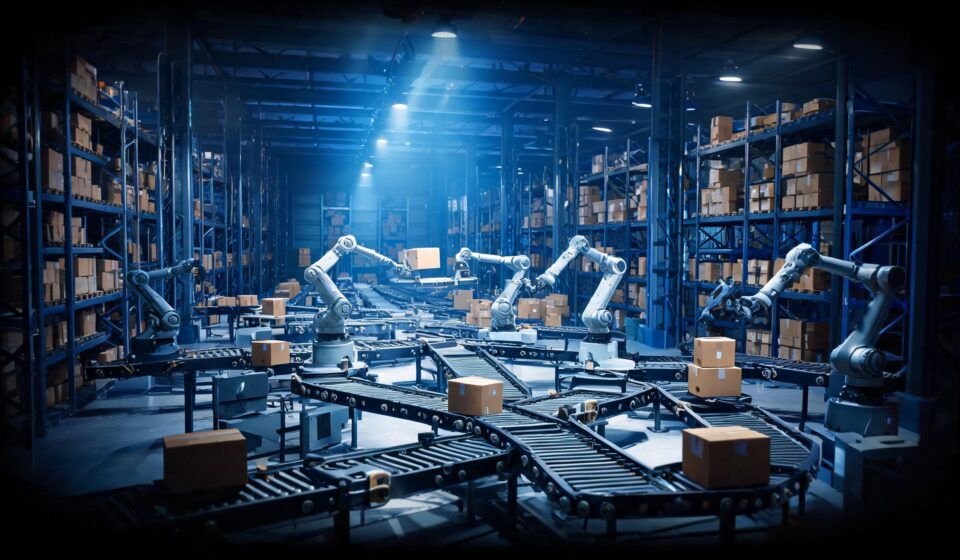
Temu, owned by PDD Holdings, now operates 45 overseas warehouses across North America, Europe, and Southeast Asia. Shein has invested $2 billion in logistics infrastructure since 2024, including a new automated distribution center in Indianapolis that can process 1.5 million parcels per day.
The “direct from factory” logistics model
Chinese cross-border platforms pioneered a logistics model that bypasses traditional wholesale and retail distribution. Goods ship directly from Chinese factories to consumers’ doorsteps, using a combination of bulk sea freight to regional hubs and last-mile delivery via local carriers.
The model works because of scale. When you’re shipping 500,000 parcels per day from Guangzhou to the US, you can negotiate rates that individual sellers can’t. A Temu package from Shenzhen to a US address costs roughly $3-4 in logistics — less than many domestic US shipments.
Regulatory headwinds
The de minimis exemption — which allows packages under $800 to enter the US duty-free — has been a key enabler of Chinese cross-border e-commerce. But the exemption faces mounting political pressure. The US Trade Representative’s office proposed eliminating the exemption for Chinese goods in its June 2, 2026 tariff announcement. If enacted, it would significantly increase the cost of direct-from-China shipments.
The EU is implementing similar measures. Starting in 2026, the EU requires platforms to collect VAT at the point of sale for all imports, eliminating the previous exemption for low-value parcels.
Impact on traditional logistics providers
The surge in Chinese cross-border e-commerce is creating both opportunities and threats for traditional logistics companies. DHL, FedEx, and UPS benefit from the increased volume but face pricing pressure from Chinese logistics providers that offer lower rates for high-volume shippers.
Chinese logistics companies like SF Express, ZTO Express, and Cainiao (Alibaba’s logistics arm) are expanding internationally, building networks that compete directly with Western incumbents.
Sources
- China Customs, cross-border e-commerce data, 2025
- Shanghai Jungle, “The trends reshaping China e-commerce from 2026 to 2030”
- USTR, Section 301 investigation proposals, June 2026