
China’s Port Congestion Returns as Global Trade Volumes Surge in 2026
Shanghai, Ningbo, and Shenzhen face record container volumes
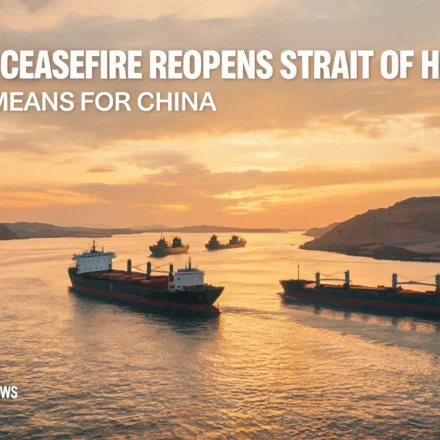
Global port congestion has returned in 2026, with China’s major container ports facing some of the longest wait times since the pandemic-era shipping crisis. Shanghai, the world’s busiest container port, recorded average vessel wait times of 4.2 days in May 2026 — up from 2.8 days in January and the highest level since late 2022.
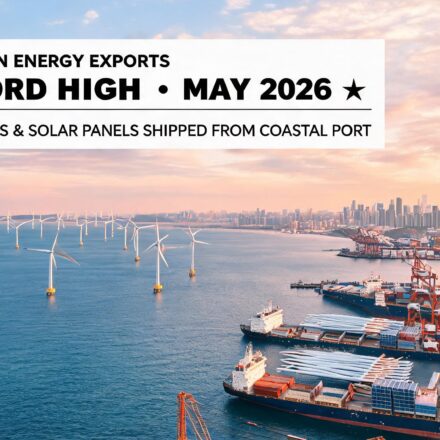
The congestion is driven by a combination of factors: strong Chinese export demand (particularly for EVs, batteries, and solar equipment), Red Sea shipping diversions that have altered vessel schedules, and the seasonal peak ahead of the back-to-school and holiday shopping seasons.
The Red Sea factor
The Red Sea shipping disruptions, now in their third year, continue to reshape global logistics. Vessels avoiding the Suez Canal route around the Cape of Good Hope add 10-14 days to Asia-Europe voyages, consuming more vessel capacity and creating scheduling chaos.
COSCO Shipping, China’s largest container line, has absorbed much of the disruption by deploying additional vessels and adjusting schedules. But the cost is significant — fuel expenses for the longer route are approximately $1 million per voyage, and the additional transit time reduces vessel utilization rates.
Air cargo takes share from sea freight
For time-sensitive goods, air cargo is increasingly competitive with sea freight on a total-cost basis. The transport logistic Shanghai 2026 trade show (June 24-26) will feature expanded air cargo exhibits, reflecting the sector’s growth. Shanghai Pudong Airport’s air cargo volume rose 15% in Q1 2026, driven by e-commerce shipments and high-value electronics.
“When your sea freight transit time goes from 30 days to 44 days, the carrying cost of inventory makes air cargo competitive for products worth more than $10 per kilogram,” said Michael Li, logistics director at a Shenzhen-based electronics exporter.
Port infrastructure investment
China continues to invest heavily in port capacity. The automated Yangshan Phase IV terminal in Shanghai now handles 6.3 million TEU per year with minimal human intervention. Ningbo-Zhoushan, the world’s largest port by tonnage, is expanding its container capacity by 20% with new berths scheduled for completion in Q4 2026.
The government’s national logistics hub program, targeting 150 hubs by 2025 and a complete network by 2035, continues to build out inland connectivity. Chongqing, Wuhan, and Zhengzhou — inland cities that serve as transshipment points for goods flowing to coastal ports — are all seeing logistics infrastructure upgrades.
Sources
- BRF Logistics, “Global Port Congestion Report 2026”
- Maritime Gateway, “Container Shipping Forecast 2026: Rates, Routes and Risks”
- transport logistic Shanghai 2026, air cargo program