















































Air Cargo Shanghai 2026: Asia’s Aviation Freight Industry Sees Record Growth
Shanghai hosts Asia’s premier air cargo event as the sector rides an e-commerce wave
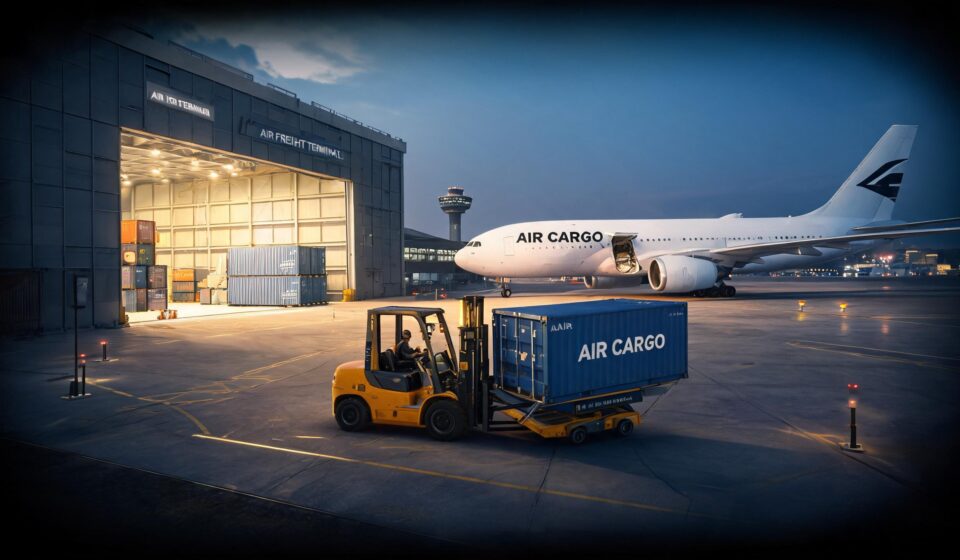
Air cargo Shanghai 2026, part of the transport logistic Shanghai trade fair, takes place June 24-26 at the Shanghai New International Expo Centre. The event, Asia’s largest air freight exhibition, has expanded by 25% in floor space compared to 2024, reflecting the sector’s rapid growth.
China’s air cargo volumes rose 15% in Q1 2026, driven by three factors: e-commerce shipments (particularly cross-border parcels from Temu, Shein, and AliExpress), high-value electronics for AI infrastructure, and time-sensitive manufacturing components. Shanghai Pudong Airport handled 1.2 million tonnes of cargo in Q1 alone.
The e-commerce effect
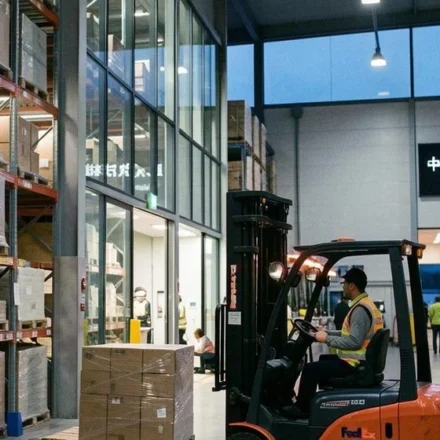
Cross-border e-commerce is the single largest driver of air cargo growth. Chinese platforms ship millions of parcels daily, and while most travel by sea, a growing percentage — particularly high-value or time-sensitive items — go by air. Temu and Shein have both signed long-term air cargo charter agreements with Atlas Air, Cargolux, and AirBridgeCargo.
“E-commerce changed the air cargo industry,” said Zhou Hao, VP of cargo at China Eastern Air Logistics. “Ten years ago, air freight was mostly electronics and pharmaceuticals. Now it’s everything from fast fashion to phone cases.”
Chinese carriers expand
Chinese airlines are aggressively expanding cargo capacity. China Southern Airlines ordered 10 additional Boeing 777F freighters in March 2026. SF Airlines, the cargo arm of SF Express, now operates over 100 freighter aircraft and plans to double its fleet by 2028.
The expansion reflects China’s ambition to become a global air cargo hub, not just a manufacturing origin. Shanghai, Guangzhou, and Shenzhen are all investing in dedicated cargo terminals and cold-chain infrastructure.
Sustainability challenges
The air cargo industry faces growing pressure to reduce emissions. Sustainable aviation fuel (SAF) remains expensive and scarce — currently accounting for less than 1% of global jet fuel supply. Chinese carriers are investing in SAF production, but the timeline for meaningful adoption extends to 2030 at the earliest.
In the meantime, the industry is optimizing routes, improving load factors, and investing in more fuel-efficient aircraft. The new generation of freighters (A350F, 777-8F) offers 20-25% better fuel efficiency than the aircraft they replace.
Sources
- transport logistic Shanghai / air cargo Shanghai 2026, event program
- Shanghai Airport Authority, cargo data Q1 2026
- SF Airlines, fleet expansion announcement, 2026