
























China Pharma R&D Surge: Hengrui and Qilu Lead Innovative Drug Push
What Happened
China’s pharmaceutical industry is experiencing an unprecedented surge in research and development activity in 2026, led by Hengrui Medicine (600276.SS) and Qilu Pharmaceutical, the country’s two most R&D-intensive drugmakers. Both companies have accelerated their pivot from generic manufacturing to innovative drug development, with a combined pipeline of over 120 novel therapeutic candidates spanning oncology, metabolic diseases, and rare diseases.
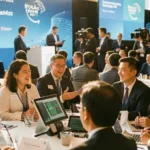
The momentum is not limited to these two leaders. A total of 10+ Chinese pharmaceutical companies are presenting research results at the 2026 European Hematology Association (EHA) Annual Meeting — a record showing that signals China’s arrival as a serious contributor to global hematology research. Among the breakthroughs: China’s first domestically developed leukemia drug received regulatory approval, a new psoriasis arthritis drug was cleared for the Chinese market, and multiple antibody-drug conjugate (ADC) programs entered late-stage clinical trials.
The GLP-1 receptor agonist class — driven by the global weight-loss drug revolution pioneered by Novo Nordisk and Eli Lilly — has entered what Chinese industry analysts describe as a “golden development period” in China. Multiple domestic companies, including Hengrui, are advancing GLP-1 candidates through clinical trials, aiming to capture a share of what is projected to become a $100+ billion global market by 2030.

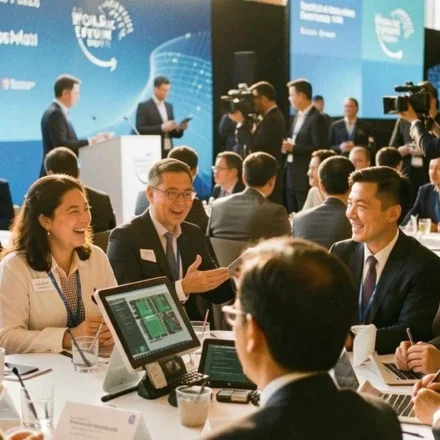
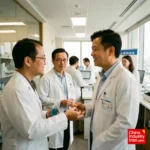
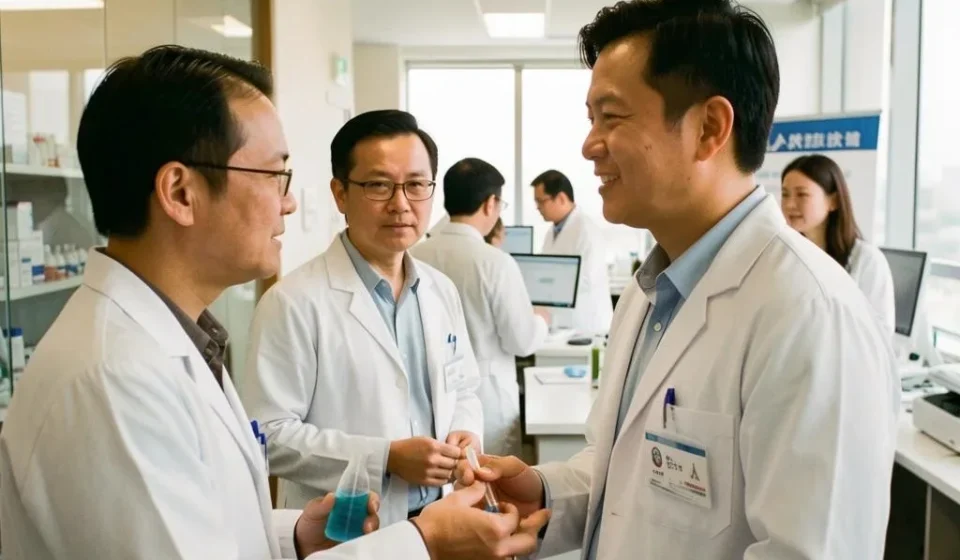
Image: Pharmaceutical research and development / Unsplash
Key Developments
1. Hengrui Medicine: China’s Largest Innovation Engine
Hengrui Medicine, with a market capitalization exceeding $42 billion, is China’s most valuable innovative pharmaceutical company. In 2025, the company invested approximately $2.1 billion in R&D — equivalent to roughly 25% of its revenue — making it one of the highest-spending drugmakers in Asia by research intensity. Hengrui’s pipeline includes 80+ innovative drugs at various stages of development, with particular strengths in oncology (ADCs, PD-1/PD-L1 inhibitors, small-molecule targeted therapies), autoimmune diseases, and metabolic disorders.
Hengrui’s ADC (antibody-drug conjugate) platform has attracted significant attention from global oncology researchers. The company has multiple ADC candidates in Phase 2 and Phase 3 clinical trials, targeting HER2, TROP2, and CLDN18.2 — the same targets pursued by global leaders like Daiichi Sankyo, AstraZeneca, and Gilead. Hengrui’s ADC programs are conducting trials in both China and the United States, positioning the company for potential FDA submissions in the coming years.
2. Qilu Pharmaceutical: From Generic Giant to Innovation Leader
Qilu Pharmaceutical, headquartered in Jinan, Shandong Province, has historically been one of China’s top three pharmaceutical companies by revenue, with a dominant position in generic drugs and biosimilars. The company’s $15 billion market capitalization and $800 million annual R&D spend reflect a strategic transformation underway since 2020: the systematic buildout of an innovative drug pipeline alongside its generic business.
Qilu’s innovative pipeline now includes novel biologics in oncology, immunology, and metabolic diseases. The company has been particularly aggressive in biosimilar development, with approved biosimilars for trastuzumab, bevacizumab, and rituximab — generating revenue that funds its novel drug programs. Qilu’s products are sold in 40+ countries, giving the company a global commercial infrastructure that most Chinese pharma peers lack.
3. BeiGene and Innovent: The Global Biotech Contenders
BeiGene (BGNE / 688235.SS), with a $28 billion market capitalization, has become the most globally successful Chinese biotech company. Its BTK inhibitor Zanubrutinib (Brukinsa) is now approved in the US, EU, and China, and has become the world’s best-selling BTK inhibitor with global sales exceeding $3 billion in 2025. BeiGene invested $1.8 billion in R&D in 2025, funding a broad oncology pipeline that includes PD-1 inhibitors, TIGIT antibodies, and next-generation targeted therapies.
Innovent Biologics (1801.HK), valued at $12 billion, has established itself as a leader in cancer immunotherapy in Asia. Its PD-1 inhibitor Sintilimab, developed in partnership with Eli Lilly, remains one of the most widely used immunotherapy drugs in China. Innovent’s $600 million R&D budget supports a pipeline of biosimilars and novel biologics, with expansion across Southeast Asia and other emerging markets.
| Company | Market Cap | R&D Spend 2025 | Key Pipeline | Global Reach |
|---|---|---|---|---|
| Hengrui Medicine | $42B | $2.1B | 80+ innovative drugs | US/EU trials |
| Qilu Pharmaceutical | $15B | $800M | Biosimilars + novel drugs | 40+ countries |
| BeiGene | $28B | $1.8B | Zanubrutinib (global) | US/EU/China approved |
| Innovent Biologics | $12B | $600M | Sintilimab + biosimilars | Asia expansion |
Sources: Company annual reports (2025); Wind Financial Terminal; CII Research estimates. Market capitalizations as of June 2026.
4. GLP-1 Weight-Loss Drugs: China’s Next Mega-Market
The global GLP-1 receptor agonist market, catalyzed by Novo Nordisk’s Ozempic/Wegovy and Eli Lilly’s Mounjaro/Zepbound, has prompted a gold rush among Chinese pharmaceutical companies. At least 15 Chinese drugmakers have GLP-1 candidates in clinical development, including Hengrui Medicine, Hansoh Pharmaceutical, and Sinopharm. China’s obesity population — estimated at over 200 million adults — represents a massive addressable market that domestic companies are racing to serve with affordable alternatives to imported GLP-1 therapies.
Hengrui’s GLP-1/GIP dual agonist is among the most advanced domestic candidates, currently in Phase 3 trials. The company aims to file for approval in China by late 2026 or early 2027, which would make it one of the first Chinese-developed GLP-1 drugs to reach the market. Industry analysts project that China’s GLP-1 market could reach $10-15 billion annually by 2030, driven by rising obesity rates, increasing health awareness, and the government’s focus on metabolic disease prevention under the Healthy China 2030 initiative.
5. Rare Disease and Oncology Breakthroughs
China’s regulatory environment has become increasingly supportive of rare disease drug development. The National Medical Products Administration (NMPA) has approved a new psoriasis arthritis drug and China’s first domestically developed leukemia drug in 2026, reflecting the agency’s willingness to fast-track innovative therapies for underserved patient populations. The NMPA’s priority review pathway, modeled partly on the FDA’s Breakthrough Therapy Designation, has reduced approval timelines for innovative drugs from an average of 18 months to under 12 months.
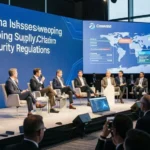
Chinese pharmaceutical companies are also making their mark in global hematology research. The 10+ presentations at the 2026 EHA Annual Meeting cover a range of topics including novel CAR-T cell therapies, next-generation BTK inhibitors, and bispecific antibodies for hematological malignancies. This growing international presence reflects the maturation of China’s clinical research infrastructure and the increasing quality of domestic clinical trial data.
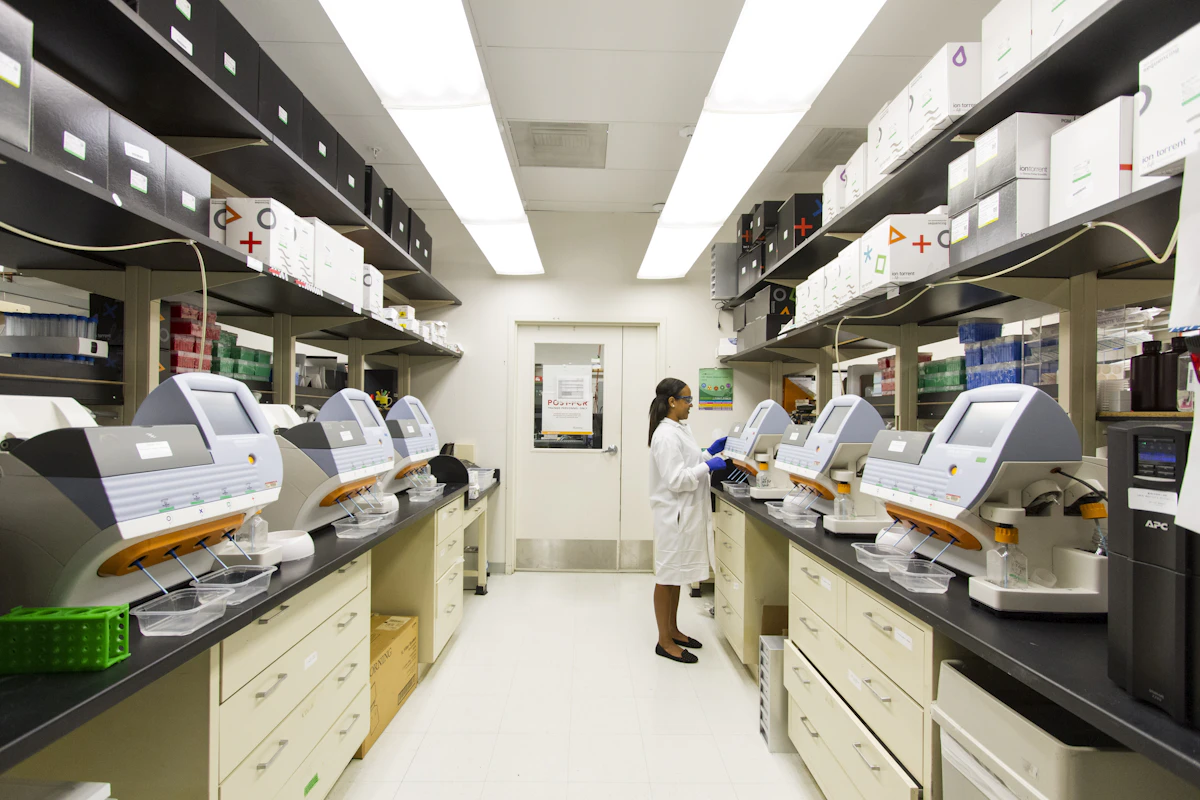
Image: Drug discovery and pharmaceutical research / Unsplash
Why It Matters
China’s pharmaceutical R&D surge represents a structural shift in global drug development. For decades, Chinese pharma companies were primarily manufacturers of generic drugs and active pharmaceutical ingredients (APIs) for multinational corporations. The current generation of leaders — Hengrui, BeiGene, Innovent, and others — are developing genuinely novel therapies that compete on innovation rather than price.
The implications for global pharmaceutical companies are significant. Chinese-developed drugs, particularly in oncology and metabolic diseases, are increasingly entering global clinical trials and seeking regulatory approval in the US and EU. BeiGene’s Zanubrutinib has already demonstrated that a Chinese-origin drug can achieve blockbuster status in Western markets. If Hengrui’s ADC candidates or GLP-1 drugs succeed in global trials, they could disrupt market positions currently held by AstraZeneca, Daiichi Sankyo, Novo Nordisk, and Eli Lilly.
The record foreign investment flowing into China’s biotech sector further validates the innovation thesis. Global pharmaceutical giants are not just manufacturing in China — they are conducting clinical trials, establishing R&D centers, and licensing Chinese-developed molecules for global commercialization.
China Industry Impact
Within China, the pharmaceutical innovation surge is reshaping the competitive landscape. The government’s Volume-Based Procurement (VBP) program, which mandates dramatic price cuts for generic drugs included in the national reimbursement list, has compressed margins for companies reliant on generic sales. This policy has effectively forced Chinese pharmaceutical companies to invest in innovative drugs or face declining profitability — a deliberate government strategy to upgrade the industry.
The result is a two-tier pharmaceutical market emerging in China. Generic drugs, subject to VBP pricing pressure, are becoming low-margin commodities. Innovative drugs, particularly novel biologics and targeted therapies, command premium pricing and are increasingly covered by commercial health insurance and supplemental government programs. Companies like Hengrui and BeiGene that have successfully navigated this transition are being rewarded with rising valuations and growing institutional investor interest.
China’s healthcare AI ecosystem is also accelerating drug discovery timelines. AI-powered drug design platforms, many developed by Chinese tech companies, are being integrated into the R&D workflows of leading pharma companies. Hengrui has publicly disclosed partnerships with AI drug discovery startups to accelerate lead optimization and clinical trial design — a trend that could compress the traditional 10-15 year drug development timeline significantly.
The government’s Healthy China 2030 initiative provides additional tailwinds. The plan targets improved cancer survival rates, expanded access to innovative therapies, and the development of a world-class domestic pharmaceutical industry. Regulatory reforms, including the NMPA’s priority review pathway and expanded clinical trial approval processes, have created a more favorable environment for innovative drug development than existed even five years ago.
Supply Chain Implications
The surge in Chinese pharmaceutical innovation has significant implications for global pharmaceutical supply chains.
API and Intermediate Sourcing. China already dominates global API (active pharmaceutical ingredient) manufacturing, supplying an estimated 40% of the world’s APIs. As Chinese companies develop more innovative drugs, they are increasingly manufacturing novel APIs and drug substances domestically rather than relying on imports. This strengthens China’s position in the pharmaceutical supply chain and creates new dependencies for global drug companies sourcing intermediates from Chinese facilities.
CRO/CDMO Capacity Expansion. China’s contract research and manufacturing organizations (CROs/CDMOs), including WuXi AppTec, Pharmaron, and Asymchem, are benefiting from the domestic innovation boom. These companies provide clinical trial management, process development, and commercial manufacturing services to both Chinese and multinational pharmaceutical clients. Domestic demand for CRO/CDMO services is growing at 15-20% annually, driven by the expanding pipeline of Chinese innovative drugs.
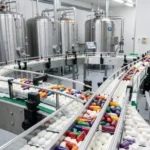
Biologics Manufacturing Infrastructure. The shift toward biologic drugs (monoclonal antibodies, ADCs, cell therapies) requires specialized manufacturing infrastructure — bioreactors, single-use systems, and cold chain logistics. Chinese companies are investing billions of dollars in new biologics manufacturing capacity, with Hengrui, BeiGene, and Innovent all operating or constructing state-of-the-art facilities. This capacity buildout creates opportunities for equipment suppliers and technology providers in the bioprocess industry.
Geopolitical Risks. The BIOSECURE Act, proposed in the US Congress, could restrict US pharmaceutical companies from contracting with Chinese CROs and CDMOs. If enacted, this legislation would force a restructuring of global pharmaceutical supply chains, potentially benefiting Indian CROs while disrupting established China-based relationships. Chinese companies are proactively diversifying their client base toward non-US markets and investing in domestic demand to mitigate this risk.
CII Analysis
Our Take: China’s pharmaceutical industry is at an inflection point. The combination of massive R&D investment (Hengrui alone spends more on research than many mid-cap Western biotech companies), a deep talent pool of trained scientists returning from overseas, supportive regulatory reforms, and a vast domestic patient population creates a virtuous cycle that is accelerating innovation at an unprecedented pace. The record showing at EHA 2026 and the progress of ADC and GLP-1 programs signal that Chinese pharma is no longer content to follow — it is beginning to lead in certain therapeutic areas. The critical question is whether this domestic innovation can translate into global commercial success. BeiGene’s Zanubrutinib proves it is possible, but that remains the exception rather than the rule. Hengrui’s ADC and GLP-1 programs will be the next major tests. If these drugs succeed in global trials and secure FDA/EMA approval, it would mark a permanent shift in the global pharmaceutical competitive landscape. The bear case — that VBP pricing pressure and geopolitical headwinds slow the transition — is plausible but increasingly unlikely given the momentum. We assign a 50% probability to the bull case (5+ Chinese drugs achieve FDA/EMA approval by 2027), 35% to the base case (strong domestic growth, slower global expansion), and 15% to the bear case.
For deeper analysis: China Biotech & Pharma 2026
Sources
- Hengrui Medicine (600276.SS) 2025 Annual Report and R&D pipeline disclosures
- Qilu Pharmaceutical corporate disclosures and product pipeline updates (2026)
- BeiGene (BGNE / 688235.SS) Q1 2026 earnings and Zanubrutinib global sales data
- Innovent Biologics (1801.HK) 2025 Annual Report and partnership announcements
- European Hematology Association (EHA) 2026 Annual Meeting abstracts and presentations
- National Medical Products Administration (NMPA) drug approval announcements (2026)
- zyzhan.com Chinese pharmaceutical industry news and analysis (June 2026)
- Wind Financial Terminal, company market capitalization and financial data
- China Chamber of Commerce for Import and Export of Medicines and Health Products, industry reports
- World Health Organization, Global Observatory on Health R&D