US and China Reach Trade Framework on Tariffs and Rare Earths
The United States and China reached a preliminary trade framework on June 11 after two days of talks in London, agreeing to roll back some of the tit-for-tat tariffs and export controls that have rattled global markets since April. The deal, announced by U.S. Commerce Secretary Howard Lutnick, includes what officials called a “handshake” on rare earth mineral exports and a reduction in retaliatory duties that had climbed as high as 145% on Chinese goods.
What the deal includes
Under the terms outlined by Lutnick, China will resume exports of rare earth minerals and magnets critical to semiconductor manufacturing, electric vehicle production, and defense applications. Beijing had imposed export licensing requirements on seven rare earth elements in April in retaliation for U.S. tariffs, disrupting supply chains worldwide.
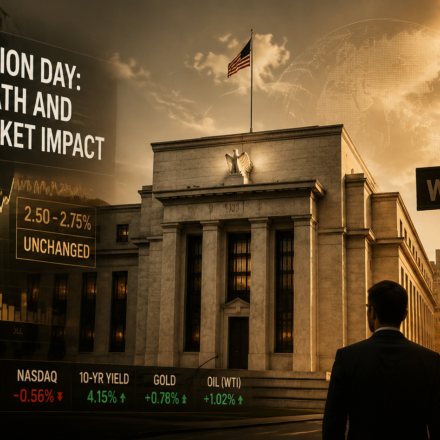
In exchange, the U.S. will roll back some of the tariffs imposed under President Trump’s April 2 “Liberation Day” executive order, which had pushed levies on Chinese imports to 145%. The exact reduction remains unclear — the framework appears to restore rates closer to the 30% level set during the May Geneva truce, though officials cautioned that details were still being finalized.
“We have reached a framework to implement the Geneva consensus,” Lutnick told reporters after the London sessions, which included delegations led by U.S. Treasury Secretary Scott Bessent and Chinese Vice Premier He Lifeng.
Rare earths were the sticking point
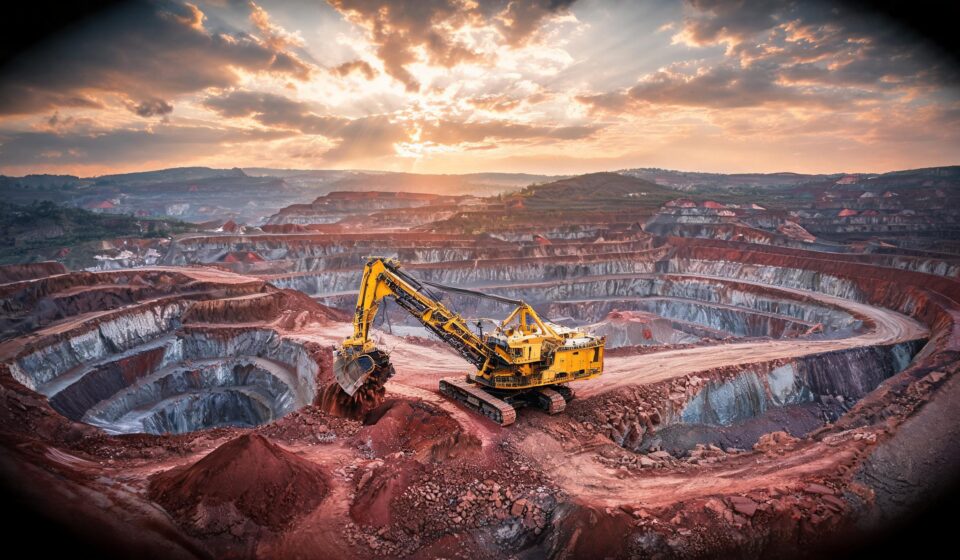
The rare earth element proved to be the most contentious issue at the London talks. China controls roughly 70% of global rare earth mining and about 90% of the processing capacity needed to turn raw materials into usable magnets and components. When Beijing imposed export licensing requirements in April, automakers and defense contractors immediately raised alarms.
Several companies, including Ford and Suzuki, temporarily halted production lines due to magnet shortages, according to Reuters. The disruption highlighted a dependency that Western governments have discussed for years but done little to address.
The framework agreement includes a commitment from China to expedite rare earth export license applications, though Chinese officials emphasized that approvals would still be subject to national security review.
The tariff rollback is partial, not complete
Even with this agreement, tariffs on Chinese goods remain far higher than they were before Trump returned to office. Before April, effective U.S. tariffs on Chinese imports averaged around 20%. The April escalation pushed them to 145%, and even after the May Geneva truce brought them down to 30%, they remain at levels not seen since the early days of the 2018-2019 trade war.
The framework also does not address several structural issues that have defined the U.S.-China economic relationship: forced technology transfer, intellectual property theft, state subsidies to Chinese companies, and market access barriers. These were the original justifications for the trade war during Trump’s first term, and they remain unresolved.
Goldman Sachs analysts noted in a June 12 report that the deal “falls short of a comprehensive agreement” but could serve as a “tactical catalyst” for Chinese equities and the yuan in the near term.
Markets reacted, but cautiously
The announcement triggered a modest rally in Chinese stocks. The CSI 300 Index rose 0.9% on June 12, while Hong Kong’s Hang Seng gained 1.3%. Rare earth mining companies listed in Shenzhen — including China Northern Rare Earth and Rising Nonferrous Metals — surged between 5% and 8%.
However, traders noted that the lack of specific tariff numbers dampened enthusiasm. “The market wants to see the actual rates, not handshake agreements,” said one Hong Kong-based fund manager who asked not to be named. “We’ve been through this cycle before.”
The U.S. dollar weakened slightly against the yuan, trading at 7.18 from 7.21 before the announcement.
What comes next
The framework still needs to be formalized through written agreements, a process that officials said could take weeks. Both sides agreed to establish working groups on rare earth supply chains and tariff implementation, with the next round of talks expected in July.
The deal also sets the stage for a potential meeting between Trump and Xi Jinping at the upcoming G7 summit in Canada. Trump told reporters on June 11 that he would “probably” meet with Xi, though no formal announcement has been made.
For businesses caught in the crossfire, the partial rollback offers some relief but not certainty. “We’ll take any de-escalation we can get,” said the head of a U.S. electronics trade group. “But until we see actual tariff schedules, we’re not changing our sourcing plans.”